
Yes, used clothing generally faces the same duty exposure as new apparel entering the United States, but most bulk shipments of genuinely worn garments qualify for duty-free treatment under HTS heading 6309. The classification hinges on two tests: the goods must show “appreciable wear,” and they must arrive in bulk packing like bales or sacks rather than retail-ready units. Miss either test, and customs can reclassify the shipment as new apparel, with the higher duty rate that comes with it.
TL;DR:
- Most bulk shipments of genuinely worn clothing can qualify for duty-free treatment under HTS heading 6309 if they show appreciable wear and are packed in bulk, not retail units.
- Customs can reclassify shipments as new apparel with higher duty rates if they fail the wear or packing tests, increasing costs significantly.
- Proper documentation, including photos, inspection reports, and sourcing records, is essential to defend classification and avoid disputes that can cause delays and higher tariffs.
- Using a licensed customs broker familiar with secondhand textile imports helps ensure compliance and reduces the risk of misclassification or port delays.
- International tariffs on used clothing vary widely, with some countries using flat per-kilogram duties, and recent EU policies promoting reuse and recycling, affecting global supply chains.
Table of Contents
- Does HTS 6309 Cover Your Used Clothing Shipment?
- Why Do Customs Valuation Disputes Happen So Often?
- How Do Tariffs on Used Clothing Vary Around the World?
- What Do Tariff Changes Mean for Thrift Stores and Resellers?
- Your Step-by-Step Checklist for Clearing a Used Clothing Shipment
- How Msexpspzoo Handles Packing and Documentation for Buyers
- Editorial Perspective: Trade Policy Versus the Circular Economy
- Ready to Source Compliant Bulk Inventory?
- Where to Verify Rates and Rules Yourself
- Sources
- FAQ
Does HTS 6309 Cover Your Used Clothing Shipment?
Chapter 63 of the Harmonized Tariff Schedule handles “other made-up textile articles,” and heading 6309 is the specific line for worn clothing and other worn textile articles. The USITC’s Harmonized Tariff Schedule lookup tool lets you search 6309.00.00 and its subdivisions directly, which is the fastest way to confirm the duty column that applies to your entry.
U.S. Customs and Border Protection is direct about the baseline rule: used clothing sold commercially is subject to the same duties, marking rules, and entry requirements as new clothing, and it gets taxed based on declared value and the applicable HTS rate, per CBP’s own guidance. Heading 6309 is the exception that most bulk secondhand shipments actually rely on, and it exists precisely because worn, bulk-packed textile waste and reuse goods aren’t competing with new-apparel manufacturers in the same way.
Two conditions decide whether your shipment lands there:
- The garments must show appreciable wear, meaning visible, physical evidence that someone actually used them, not just an old style or an out-of-season cut.
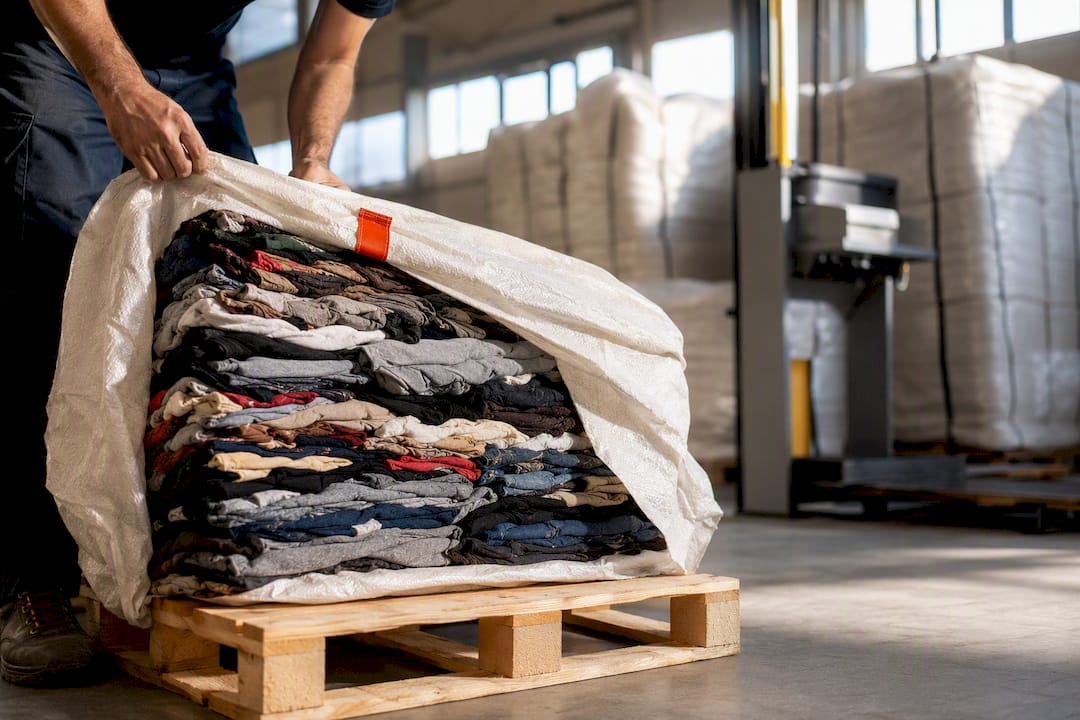
- The goods must be entered in bulk, typically compressed bales, sacks, or similar industrial packaging, not folded and bagged like a retail shipment.
Duty rate reality check: Qualifying entries under 6309 are commonly duty-free under Most Favored Nation treatment, which is a meaningful cost advantage over new apparel classifications that can carry rates in the double digits depending on fiber content and construction. That gap is exactly why classification disputes happen so often. A shipment that gets bumped out of 6309 and into a new-clothing heading can see its landed cost jump substantially overnight.
What counts as “appreciable wear” isn’t left to guesswork. CBP rulings and court precedent, including Ruling N340317, define it as visible damage or impairment caused by actual use, things like fading, stretching, pilling, or minor tears that a garment picks up from being worn and washed. A lightly used item with tags still attached or in near-new condition generally does not meet that bar, no matter how old the style is.
Bulk packing matters just as much as condition. Customs officers expect to see compressed bales, woven polypropylene sacks, or comparable bulk containers, the same packaging you’d recognize from any textile recycling operation. A container of individually poly-bagged garments, even if genuinely worn, can raise red flags because it looks more like retail-ready inventory than reuse material. If you’re sourcing inventory and want to see what compliant bulk packaging actually looks like in practice, a supplier’s used clothing product listings are a useful reference for how bales are typically described and documented.
Why Do Customs Valuation Disputes Happen So Often?
Valuation is where most classification headaches start, because used clothing doesn’t come with a fixed retail price and customs officers know it. You have three realistic paths for establishing value: original purchase receipts if you somehow retained them, a documented fair market value estimate based on comparable secondhand sales, or a formal donor valuation methodology if the goods originated as charitable donations before entering the export stream. None of these are bulletproof on their own, which is why paper trails matter more here than in almost any other import category.
Commingling is the risk that catches importers off guard. Under General Note 3(f) of the Harmonized Tariff Schedule, when goods of different classifications get mixed in a shipment and can’t be segregated by the importer, customs can assess the highest applicable duty rate on the entire lot, not just the portion that might actually deserve it. One insight from the classification rulings is worth internalizing: a single non-worn garment tucked into an otherwise legitimate bale, or ambiguous photos that don’t clearly show wear, can be enough to trigger that highest-duty treatment across an entire shipment, based on the reasoning in Ruling N340317.
Here’s how to build a defensible file before goods ever leave the port of origin:
- Photograph representative samples from each bale, showing visible wear characteristics up close.
- Keep a written inspection report noting fabric condition, damage type, and sorting criteria used.
- Retain any purchase, donation, or sourcing documentation tied to the lot.
- Label bales by grade or category so customs can see a consistent sorting system, not a random mix.
- Request a broker review of your paperwork before the shipment is loaded, not after it arrives.
Pro Tip: If you’re importing a new product line or an unfamiliar grade of secondhand goods regularly, request a binding advance classification ruling from CBP before you scale volume. It costs time upfront but removes the guesswork on future entries of the same goods.
Working with a licensed customs broker isn’t just about paperwork convenience. Brokers who handle secondhand textile entries regularly know which ports flag 6309 shipments for inspection and what documentation satisfies a given field office, and that institutional knowledge is hard to replicate from a compliance manual alone.
How Do Tariffs on Used Clothing Vary Around the World?
Duty treatment for secondhand apparel outside the U.S. varies enormously, and the differences aren’t small. Some countries treat used clothing as a near-duty-free reuse commodity; others use tariffs deliberately to protect domestic textile manufacturing, and the rate structures themselves differ in kind, not just in size. Trade research compiling measures across markets like Rwanda, Colombia, and Chile shows jurisdictions applying flat per-kilogram charges rather than the percentage-of-value system used in the U.S., which changes the math entirely depending on shipment weight versus declared value, according to comparative country tariff research. East African Community members have moved in and out of stricter positions on secondhand imports over the years, driven largely by domestic textile industry lobbying rather than pure trade economics.
A few patterns show up repeatedly across these markets:
- Per-kilogram flat duties hit low-value, high-volume bales harder proportionally than high-value niche lots, since the charge doesn’t scale with what the goods are actually worth.
- Percentage-based increases, like the adjustments Colombia and Chile have applied, shift the calculus toward higher-grade, higher-value sourcing to make the math work.
- MFN status and free trade agreements can override a country’s general secondhand-clothing rate entirely for goods originating in a partner country, so origin documentation is worth double-checking before assuming a published rate applies.
- Non-tariff barriers including sanitary certification, labeling mandates, and extended producer responsibility rules can block a shipment even when the duty itself is low or zero.
Europe is moving in a different direction than most tariff-focused markets, embracing sustainable textile production to support circular economy goals and new regulatory frameworks. The European Union’s Ecodesign for Sustainable Products Regulation now bans large companies from destroying unsold apparel and footwear, a measure the European Commission confirmed takes effect in 2026. That rule isn’t a tariff, but it reshapes secondhand supply chains anyway: retailers who used to destroy unsold stock now have to find a reuse, resale, or recycling outlet for it, which means more garments flowing into the same secondhand supply pool that tariff policy is trying to regulate at the border. Trade-law commentary on the measure notes it also adds new disclosure obligations for producers, which importers sourcing from EU-based suppliers should expect to see reflected in documentation going forward, per analysis from a trade law firm.
What Do Tariff Changes Mean for Thrift Stores and Resellers?
Tariff increases on new apparel create what amounts to a built-in advertisement for the secondhand market. When new-clothing prices climb, shoppers who might never have set foot in a thrift store start comparing price tags, and reporting from AP News documented exactly that shift happening as new apparel tariffs pushed consumers toward used options. That’s the upside for resale businesses, and it’s real.
The catch secondhand sellers often overlook: if your own imported inventory is dutiable, whether because it’s misclassified, commingled, or sourced from a country facing new surcharges, your landed costs can rise at the same time your customer base is growing. Higher demand doesn’t offset higher input costs if you’re not managing both sides of that equation deliberately. The same reporting that documented the demand shift also flagged that secondhand businesses sourcing imported stock aren’t automatically insulated from tariff pressure just because their end product is used.
Practical responses worth considering:
- Diversify sourcing across multiple countries or suppliers so a single tariff change doesn’t hit your entire pipeline at once.
- Renegotiate freight and logistics terms now, before a cost increase forces a rushed conversation later.
- Be transparent with buyers about sourcing and pricing changes rather than absorbing costs silently until margins disappear.
- Small resellers should lean on brokers and established wholesale suppliers who already carry compliance overhead; large wholesalers have more room to negotiate freight and build in-house classification expertise.
The businesses that come out ahead here tend to be the ones treating tariff policy as an ongoing input to sourcing decisions, not a one-time compliance hurdle to clear at the port.
Your Step-by-Step Checklist for Clearing a Used Clothing Shipment
Getting a shipment of used clothing through customs cleanly comes down to sequencing. Skip a step, or do them out of order, and you risk delays that can run weeks longer than a properly prepared entry.
- Classify first. Confirm whether your goods genuinely meet the appreciable wear and bulk packing tests for HTS 6309 before you book freight, not after arrival.
- Document the lot. Compile photos, inspection reports, and sourcing paperwork that support your classification claim.
- Inspect before loading. Physically verify that bales don’t contain stray new or near-new items that could trigger commingling penalties.
- Segregate by grade. Keep distinct categories separated and clearly labeled rather than mixing grades into one undifferentiated lot.
- File the entry. Work with a licensed customs broker to submit accurate HTS codes, values, and country-of-origin data.
- Calculate total landed cost. Factor in brokerage fees, any applicable Section 301 measures, freight charges, and port handling surcharges beyond the base duty rate itself.
Pro Tip: Request a binding ruling from CBP before your first shipment of a new sourcing category arrives, especially if you’re unsure whether a particular grade of goods will pass the appreciable-wear test. A ruling takes time to process, but it’s far cheaper than a rejected entry sitting at port while you argue classification after the fact.
When should you bring in outside expertise rather than handling it in house? If you’re entering a new product category, sourcing from a country with unfamiliar trade rules, or facing a commingling dispute on a shipment already at port, a licensed customs broker or trade attorney earns their fee fast. The cost of getting classification wrong on a full container load almost always exceeds the cost of professional review beforehand.
How Msexpspzoo Handles Packing and Documentation for Buyers
A trusted supplier ships used clothing, shoes, purses, bags, and related secondhand goods internationally, managing packaging operations out of a large warehouse facility. Bulk bales prepared with efficient packaging equipment turn around faster, which matters directly for import classification since HTS 6309 depends on goods actually arriving in recognizable bulk packing rather than loose or retail-style units.
Buyers sourcing used shoes or used purses and bags benefit from the same operational logic: consistent bale grading and packaging that gives customs officers less reason to question a shipment’s classification on sight.
Practices worth expecting from any serious secondhand goods supplier include:
- Standardized bale labeling by grade and category, not mixed lots.
- Pre-shipment photos documenting condition before the container is sealed.
- Wear inspection reports that back up an appreciable-wear claim on paper.
- Complete origin paperwork ready to hand to a broker on request.
Editorial Perspective: Trade Policy Versus the Circular Economy
Governments write tariff policy to protect domestic industry and manage public health and safety, not to optimize for sustainability, and pretending otherwise leads to bad predictions about where rules are headed next. That’s why a country can raise used-clothing duties to shield local textile jobs in the same decade the EU bans destroying unsold apparel to cut waste. Both moves make sense from inside their own policy goal; they just aren’t pulling in the same direction.
The practical takeaway for anyone actually moving goods across borders: compliance and sustainability-minded sourcing aren’t competing priorities, they’re the same discipline applied at different points in the supply chain. Businesses that document classification carefully and source with an eye toward where regulation is tightening, like the EU’s disclosure requirements, tend to weather policy shifts that catch less prepared competitors off guard.
— rodrigues
Ready to Source Compliant Bulk Inventory?
Sourcing used clothing that clears customs without friction starts with a supplier that treats documentation as part of the product, not an afterthought you chase down after the container ships. Msexpspzoo packs bales with the appreciable-wear and bulk-packing standards in mind from the start, which means less back-and-forth with your broker and fewer surprises at the port.
Buyers can request packing lists, wear inspection reports, and export documentation before committing to an order, giving your compliance team something concrete to review ahead of shipment rather than after arrival. If your sourcing needs extend beyond apparel, the same documentation standards apply across used shoes and other bulk categories. Visit the used clothing product page to review current bale specifications and request a quote for your next order.
Where to Verify Rates and Rules Yourself
- USITC HTS chapter index for current duty columns.
- CBP guidance on importing used clothing.
- EU ESPR announcement for European context.
- AP News on tariff-driven market shifts.
Sources
- What are the requirements to import used or worn clothing into the United States? — U.S. Customs and Border Protection
- Harmonized Tariff Schedule (search result for 6309) — USITC
- CBP Ruling N340317: Tariff classification of worn clothing — TariffLens (ruling summary)
- New EU rules to stop destruction of unsold clothes and shoes — European Commission
FAQ
Do I Have to Pay Tariffs on Used Items?
It depends on classification: used clothing meeting the appreciable-wear and bulk-packing standards under HTS 6309 commonly qualifies for duty-free treatment, but goods that fail those tests can be taxed like new merchandise based on value, according to CBP guidance.
Do Tariffs Apply to Used Clothing Specifically?
Yes, used clothing is subject to the same entry, marking, and duty requirements as new apparel unless it qualifies for the HTS 6309 exception covering worn, bulk-packed textile goods.
What Is the Tariff Code for Used Clothing?
The primary code is HTS heading 6309, covering worn clothing and other worn textile articles entered in bulk, searchable directly through the USITC HTS lookup tool.
Are There Tariffs on Used Goods Beyond Clothing?
Yes, other used goods including shoes, bags, and industrial textiles carry their own HTS classifications with separate criteria, so each category needs its own classification check rather than assuming clothing rules apply universally.
How Long Does Customs Clearance Take for Used Clothing Imports?
Clearance timing varies by port and documentation quality, but shipments with complete wear inspection reports, photos, and grading paperwork generally move through review faster than those requiring follow-up requests from customs officers.