
Match the port to your cargo’s operational needs and customs speed before you ever compare terminal fees. The cheapest port on paper often costs more once demurrage, drayage delays, and a botched AES filing hit the ledger. Before you book anything, verify the exact terminal-level export port code in ACE Appendix D and confirm it with your carrier or broker. That single step catches the error that causes most fatal AES rejections.
TL;DR:
- Verifying the exact terminal-level export port code with the carrier and official CBP list is crucial to avoid costly AES rejections.
- Including full costs like storage, drayage, and inland transport in your comparison often reveals the initially cheaper port may become more expensive due to delays and fees.
- Confirming port handling capacity for reefer, RoRo, hazardous, or transload cargo with on-site documentation reduces spoilage and compliance risks.
- Building contingency plans for peak season delays, incorrect filings, or congestion can prevent shipment delays and unexpected costs.
- Using BTS port dwell time data and asking precise questions about free days, dwell times, and congestion helps identify reliable ports for your logistics needs.
Table of Contents
- Port Selection Criteria: A Practical Screening Checklist
- Export Port Codes: Getting the AES Filing Right
- What Total Landed Cost Actually Includes
- Matching Your Cargo to the Right Port Capabilities
- Timeline Expectations and Where Shipments Go Wrong
- Final Checklist Before You Confirm a Port
- MS EXP SP Z O O Perspective: How We Pick Ports for Bulk Export
- Where to Verify Codes and Port Performance Data
- Sources
Port Selection Criteria: A Practical Screening Checklist
Screening a port shouldn’t take a week. Run each candidate through this list in order, and you’ll rule out the wrong ones fast.
- Location and drayage distance. Measure the actual trucking distance from your stuffing location to the terminal gate, not just the city name. A port 40 miles closer can still be slower if it sits behind chronic highway bottlenecks.
- Infrastructure fit. Confirm berth depth, crane type, reefer plug count, and bonded warehousing match your cargo. A port built for bulk grain doesn’t necessarily handle palletized reefer freight well.
- Drayage market health. Ask your broker if truckers in that market are backed up. A port with great vessel schedules is useless if no chassis are available to move your containers.
- Customs clearance speed. Ports with active pre-clearance programs and a strong base of C-TPAT certified partners tend to move cargo through inspection faster, since CBP already trusts the security chain behind the shipment.
- Seasonal and weather exposure. Gulf Coast ports face hurricane season; some Northern ports slow down with winter ice. Build that into your timeline, not just your risk register.
- Specialized handling and FTZ access. If you need Foreign Trade Zone status or hazardous cargo permits, confirm the terminal actually offers them. Not every port does.
- Full cost picture. Add terminal handling, storage, drayage, equipment rental, and customs fees together, not just the headline rate.
- Local partner depth. A port surrounded by experienced 3PLs and customs brokers who know its quirks will save you more than a marginally shorter drayage run.
Pro Tip: Pull BTS port performance data before you shortlist anything. Average dwell time tells you more about real-world reliability than any carrier’s sales pitch.
Export Port Codes: Getting the AES Filing Right
An export port code, sometimes called a port-of-export code, is the identifier CBP requires on every Automated Export System filing to show exactly where cargo left the country. It’s a compliance detail, not a formality, and it’s where a lot of experienced teams still get tripped up.
Here’s the part that catches people off guard: a single geographic port can have multiple valid codes, each tied to a specific terminal. Filing the wrong one isn’t a typo, it’s a different port of export entirely.
A clean verification workflow looks like this:
- Get the carrier’s terminal assignment at booking, not after the container is loaded.
- Cross-check that terminal against the official list in ACE Appendix D.
- File only after the carrier confirms the terminal in writing.
Get it wrong, and you’re looking at a Fatal Error rejection, possible fines, or a container held for inspection while everyone scrambles to refile.
What Total Landed Cost Actually Includes
Terminal handling fees are the number every port quotes you first, and they’re often the smallest piece of the real cost. A full landed-cost comparison needs to include:
- Terminal handling charges
- Drayage (both legs, not just the one to the port)
- Storage and free-time allowances
- Chassis rental
- Customs clearance fees
- Inland transport to final delivery
- Cargo insurance
- A contingency buffer for delays
Terminal schedules of rates spell out free-day allowances and storage penalties, and those numbers move fast once a shipment sits past its window. A container that blows through free time during a congestion spike can rack up daily storage charges that dwarf the original handling fee.
When comparing ports, model a contingency multiplier on storage and drayage anywhere BTS dwell-time data shows congestion above normal benchmarks. Plug those eight line items into a simple spreadsheet for each candidate port and the “cheap” option often stops looking cheap.
Matching Your Cargo to the Right Port Capabilities
Not every terminal handles every cargo type equally well, and this is where generic port rankings fall apart.
- Reefer cargo: Confirm plug count, live monitoring reports, and whether the terminal offers on-site repair. Missing monitoring reports raise spoilage risk and complicate insurance claims if something goes wrong mid-transit.
- RoRo and breakbulk: Verify ramp access, heavy-lift crane capacity, and enough staging area for oversized units.
- Hazardous materials: Confirm the terminal is actually permitted to handle your hazard class, and that paperwork requirements match what your compliance team already has on file.
- Consolidated or transload shipments: Check for FTZ or bonded warehouse options if you need to defer duties or combine loads before final delivery.
Timeline Expectations and Where Shipments Go Wrong
A realistic export timeline has four checkpoints: booking, container stuffing, customs filing, and vessel cut-off. Delays cluster around two of these: stuffing (when drayage capacity runs short) and customs (when filings sit incomplete or incorrect).
The recurring mistakes are predictable:
- Filing the wrong terminal-level port code instead of verifying it against Appendix D.
- Underestimating free-time windows and getting hit with storage fees before cargo even clears customs.
- Assuming drayage capacity that isn’t actually there during peak season.
Build in contingencies before you need them: an alternate port on standby, enrollment in a pre-clearance program, a few days of buffer inventory, and carrier nominations flexible enough to shift if your first choice gets congested.
Final Checklist Before You Confirm a Port
Run the decision in this order: confirm the port can physically handle your cargo, verify the port code and customs capacity, model total landed cost, check partner reliability, then book.
Before signing off, ask your carrier, terminal, or broker these questions directly:
- What is the exact terminal-level export port code for this booking?
- What does the average dwell time at this terminal over the past quarter?
- How many free days do we get before storage charges start?
- Is reefer capacity guaranteed, or subject to availability at cut-off?
- Is this terminal C-TPAT certified, and does that status extend to their trucking partners?
- What days or seasons typically see the worst congestion here?
Pro Tip: If a terminal can’t answer the dwell-time or free-day questions clearly on the first call, treat that as a red flag. A terminal that knows its own numbers usually runs a tighter operation.
If two or more answers come back vague, especially around congestion history or code confirmation, that’s your signal to shortlist an alternate port rather than hope the first one works out.
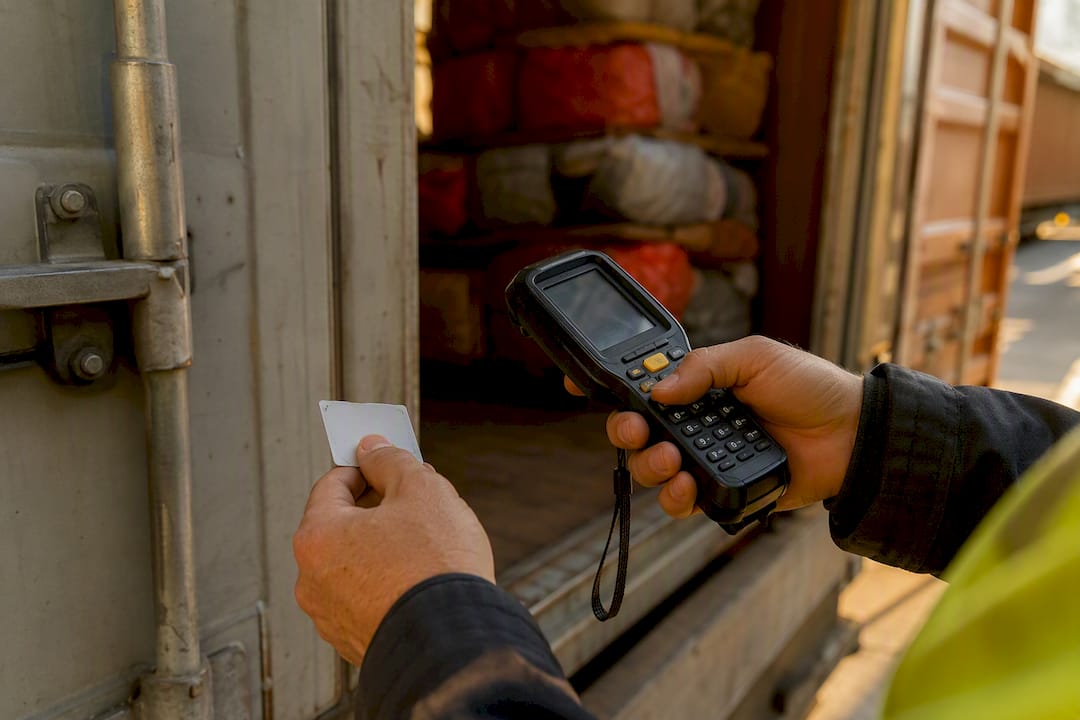
MS EXP SP Z O O Perspective: How We Pick Ports for Bulk Export
Packaging speed shapes which ports make sense for us. Our 133,000 square foot warehouse and advanced baling machinery mean bales of used clothing, shoes, and industrial wiping rags move fast, so we favor ports where stuffing and drayage keep pace rather than sitting idle waiting on a slow terminal. We don’t file anything until a verified customs broker confirms the exact terminal code against AES. It’s a small step that has saved us from more than one costly rejection over the years, and it’s a habit worth building into any bulk export operation.
— rodrigues
Where to Verify Codes and Port Performance Data
Don’t take a port’s reputation on faith. Check ACE Appendix D for the official code list, confirm codes through AESDirect before filing, and pull throughput and dwell metrics from the BTS port performance program before you commit to a lane.

For exporters comparing port logistics against broader fulfillment strategy, this international shipping guide covers how port choice fits into wider retail export planning. If you’re sourcing wholesale inventory to move through your chosen port, Msexpspzoo’s bulk used clothing exports ship worldwide with packaging built for fast terminal turnaround.