
Original (first-quality) clothing means factory-spec items free of defects, sellable at full retail value. Graded clothing gets sorted into tiers, typically Cream, Grade A, Grade B, and Grade C, based on visible wear, stains, or structural damage. The practical difference for buyers: originals carry predictable, higher margins with minimal inspection risk, while graded stock demands a grade-ratio disclosure and hands-on inspection before you commit money to a bale.
TL;DR:
- Buyers should request a detailed grade-ratio report and timestamped sample photos before purchasing to verify the supplier’s claimed clothing quality.
- Inspections should focus on physical checks of fabric, seams, closures, and surface condition, especially when sourcing from regions like Japan.
- High percentages of Cream or Grade A garments in a bale typically yield the best profit and should be prioritized, with quick fixes used to upgrade borderline pieces.
- Grade B and C stock are best suited for outlet or salvage channels, with grading standards varying widely between suppliers.
- Establish clear contractual policies for grade disputes, sample inspections, and dispute resolution to protect margins during transactions.
Table of Contents
- Original vs Graded Clothing: The Core Definitions
- How Warehouse Graders Actually Sort Clothing
- What Defects Look Like at Each Grade
- How Grade Translates Into Resale Price
- A Buyer’s Checklist Before You Commit to a Bale
- Why Msexpspzoo’s Supply Chain Backs This Guide
- A Practical Buying Philosophy Worth Adopting
- Ready to Source Graded or Original Lots Directly
- Sources
Original vs Graded Clothing: The Core Definitions
The confusion starts because “original,” “surplus,” and “graded” get used loosely across the used-clothing trade, and each term means something specific.
First quality (sometimes called “original”) refers to garments that meet a brand’s full tech-pack specifications: correct stitching, intact trims, accurate sizing, no cosmetic flaws. These items move through primary retail channels or, in the secondary market, through liquidation lots that never touched a customer’s closet. First quality garments meet a brand’s stitch, fit, label, and trim specs with zero tolerance for structural flaws, according to a breakdown from EuroSaleOnline.
Surplus is a different animal entirely. Export surplus and factory overruns are authentic, unworn brand product, but they often arrive with cut labels or missing retail packaging. The fabric quality can rival originals, but you lose the manufacturer’s warranty and sometimes the tag that proves it. Buyers frequently confuse surplus with used clothing, when in fact surplus stock never left the factory floor.
Graded clothing is where the real sorting hierarchy lives:
- Cream / AA: Near-new condition, minimal to no visible wear, highest resale value among used stock.
- Grade A: Light wear, no major defects, ready to resell with little to no prep.
- Grade B: Noticeable wear, minor stains or pilling, still functional and salable through discount channels.
- Grade C / Thirds: Heavy wear or damage, sold mainly for salvage, recycling, or rag conversion.
Here’s the catch: these labels are not standardized. One supplier’s “Cream” might match another’s “Grade A.” Formal frameworks like GB/T 45812-2025 exist to give buyers and sellers a shared vocabulary, but adoption varies widely, so always request a grade-ratio breakdown before you buy.
How Warehouse Graders Actually Sort Clothing
Grading isn’t guesswork. It’s a repeatable inspection process, and understanding it helps you interpret what a supplier’s grade claim actually means.
Graders run through a consistent set of physical checks on every piece:
- Fabric integrity: holes, tears, thin spots, and moth damage.
- Stitching and seams: loose threads, popped seams, missing hems.
- Closures: zippers that stick or separate, missing or broken buttons.
- Surface condition: pilling, fading, stains, odor.
- Trims and labels: missing tags, damaged logos, altered care labels.
Beyond the physical checklist, graders also weigh non-physical factors: style relevance (is this garment still in demand?), provenance (where did the bale originate?), and whether original retail tags survived. Origin matters more than most buyers realize. Bales sourced from Japan, for example, tend to run higher “excellent” ratios than bales from other regions, according to practitioner interviews on the Befreed bale grading podcast.
Sorting itself happens two ways: hand-graded, where a worker inspects each piece individually, or mill-graded, where machinery does a rough first pass before a human samples the output. Sample rates vary by supplier, and this is exactly where buyers get burned if they don’t ask questions upfront.
Pro Tip: Before you agree to a shipment, ask the supplier what percentage of the bale they physically sampled and request timestamped photos of that sample. A supplier who hedges on this number is telling you something.
What Defects Look Like at Each Grade
Abstract grading tiers become useful once you can picture them on actual garments.
Take a denim jacket. At Cream/Grade A, you’re looking at maybe a loose thread or faint wash fade, nothing that affects function or appearance from three feet away. At Grade B, expect a small stain near a pocket or a slightly stretched buttonhole; still wearable, still sellable at a discount. At Grade C, you’re dealing with ripped seams, missing buttons, or fabric so worn it’s headed for rag conversion.

A knit sweater tells a similar story: Grade A might show minor pilling on the sleeves, Grade B adds a small snag or faded elbow, and Grade C means holes, stretched cuffs, or moth damage that no repair fixes.

Shoes follow the same logic but with their own failure points: sole separation, cracked leather, and worn tread patterns push a pair from Grade A straight to Grade C regardless of how the upper looks.
A rough severity scale that resellers use on arrival:
- Cosmetic only (fixable with a lint roller or light steam): stays Grade A or B.
- Repairable structural (loose stitch, missing button): drops to Grade B, worth a quick fix if the brand justifies it.
- Non-repairable structural (torn seams, sole failure): Grade C, salvage or rag pile.
Practitioner accounts consistently note that finding a high ratio of Cream items in an unsorted bale is the single biggest profit driver for resellers, based on the Befreed grading podcast.
How Grade Translates Into Resale Price
Grade isn’t just a quality label. It’s the single biggest lever you have for setting price and choosing where to sell.
Four factors drive value within any grade: defect severity, brand recognition, origin, and the bale’s overall grade ratio. A Grade B garment from a recognizable brand can outsell a Grade A garment from an unknown label, so grade alone never tells the full pricing story.
Channel selection follows grade fairly predictably:
- Cream and first-quality items move through boutique resale, curated online storefronts, or premium vintage shops, where near-new condition commands a real premium. Growing buyer appetite for sustainable, near-new secondhand goods, documented by CNBC as a multibillion-dollar disruption to traditional retail, keeps demand for this tier strong.
- Grade B stock fits outlet-style marketplaces, discount resale platforms, or bulk lots sold to smaller shops that don’t need showroom condition.
- Grade C and salvage goes to rag converters, recyclers, or export buyers who process fabric for industrial use rather than wear.
Operationally, the smartest resellers run a tiered listing strategy: list Cream and Grade A individually at full price, bundle Grade B into lots, and move Grade C in bulk to salvage buyers rather than sinking labor into items that won’t recover the cost of a fix. Quick fixes, replacing a button, restitching a hem, can bump a borderline Grade B piece up a tier, but only when the labor cost stays below the price jump.
A Buyer’s Checklist Before You Commit to a Bale
Protecting your margin starts before the bale ever ships, not after it lands on your dock.
Before you pay:
- Request a written grade-ratio report (what percentage is Cream, Grade A, B, C).
- Ask for timestamped sample photos from the actual lot, not stock images.
- Confirm the origin and sourcing chain of the bale.
- Ask whether grading was done by hand or by machine, and at what sample rate.
When the shipment arrives:
- Open a fixed sample percentage (commonly 5% to 10% of total units) and grade it yourself against the supplier’s claim.
- Check hidden failure points first: seams, zippers, soles, underarm stains, since these get missed in quick visual scans.
- Compare your sample results against the promised grade ratio before accepting the full shipment.
Before you sign anything:
- Build a return or credit policy into the contract for grade disputes discovered after arrival.
- Include a sample-bale clause letting you inspect a smaller lot before committing to a full container order.
- Agree on a dispute-resolution process in writing, not a verbal promise.
Why Msexpspzoo’s Supply Chain Backs This Guide
Grading claims mean little without a supplier who can back them with real infrastructure and transparency.
Msexpspzoo ships graded and unsorted used clothing, shoes, and accessories to buyers across more than 40 countries, running the operation out of a 133,000 square foot warehouse in Poland. That scale matters for one practical reason: consistent sorting requires space, equipment, and staff, and a cramped operation cuts corners on exactly the checks this guide walks through.
A few concrete signals worth knowing:
- Advanced packaging machinery that speeds bale turnaround without sacrificing sort quality.
- A product range spanning used clothing, used shoes, purses, industrial wiping rags, and vintage goods, all sourced and sorted under one roof.
- A track record of long-term partnerships built on grade-ratio transparency rather than vague quality promises.
If you want to see how grading disclosure works in practice before you commit to a bulk order, request a sample photo set or a grade-ratio report directly through Msexpspzoo’s corporate page.
A Practical Buying Philosophy Worth Adopting
If you’re new to reselling graded clothing, start conservative. Buy bales weighted toward Cream and Grade A ratios until you’ve built the eye to spot defects quickly and price Grade B and C stock without guessing.
Tiered selling protects margin better than any single pricing trick: list your best pieces individually, bundle the middle tier, and move salvage stock fast rather than storing it. And never accept a grade claim without a documented ratio and sample photos. The suppliers who hesitate to provide either are usually the ones with the most to hide.
— rodrigues
Ready to Source Graded or Original Lots Directly
Most resellers waste weeks chasing suppliers who won’t disclose grade ratios or provide sample photos before shipping. Msexpspzoo skips that friction entirely: every bale request comes with the option to see sample images, request a grade-ratio breakdown, and choose between sorted Grade A/B/C lots or unsorted original stock depending on what your channel needs.
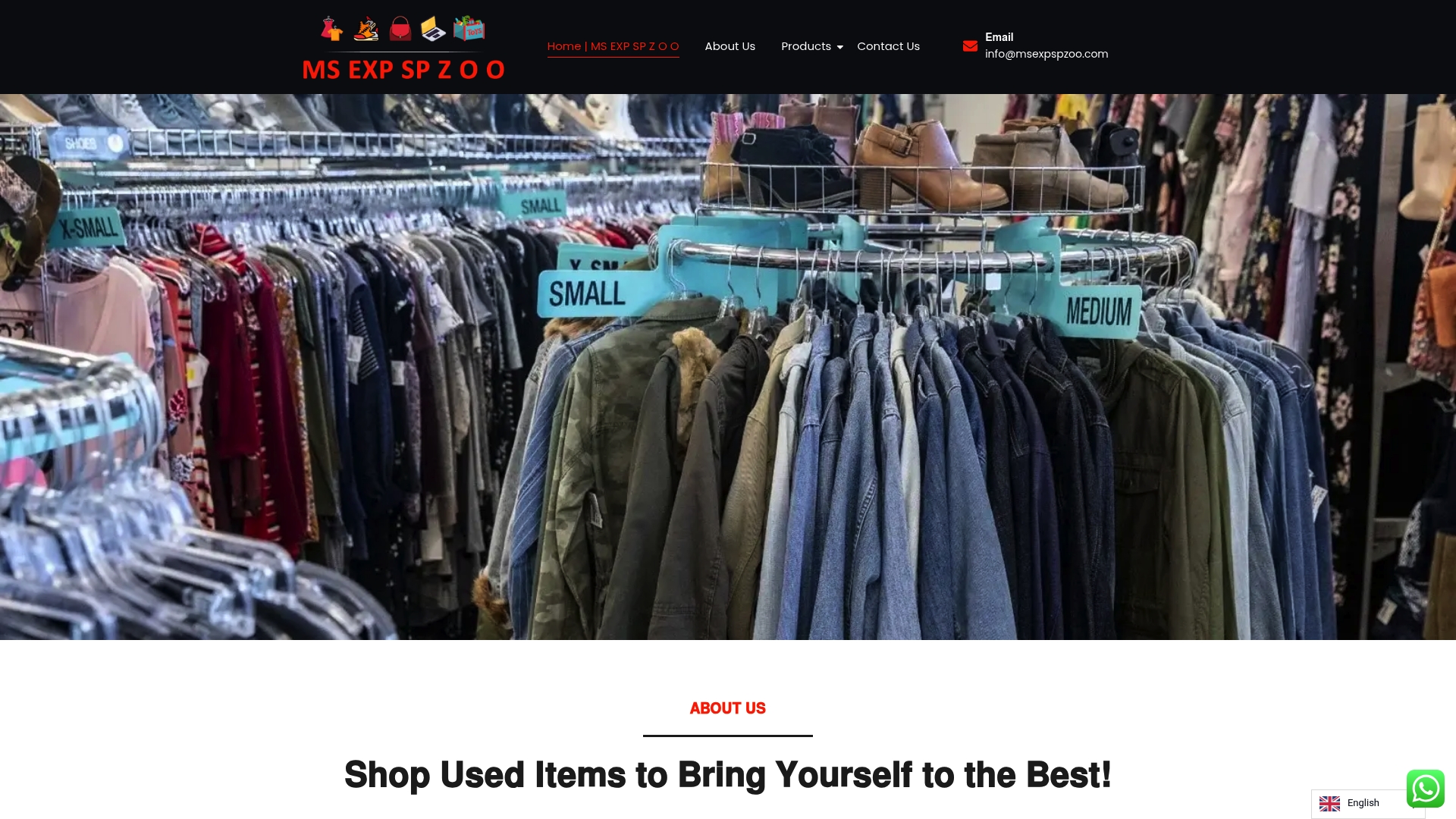
The product range covers more than clothing. Buyers sourcing footwear can review the used shoes lineup, while operations needing lower-grade salvage material for industrial use can check the recycled wiping rags page. For buyers still deciding how to weigh style relevance and condition when building a sustainable inventory mix, the comparison guide from CZT offers a useful framework.
Start with a sample request through the used clothing page and get a grade-ratio report before your next bulk order.
Sources
A few references back the grading terminology and market context used throughout this guide:
- GB/T 45812-2025 | Guidelines for quality (PDF English)
- Fashion retailers under threat from $24 billion second-hand market — CNBC
- Befreed