
Yes, you can start a bale business right now: buy one small bale or a lot of pre-sorted “camera” pieces, sort it by grade, and sell through one low-cost channel before you spend another dollar on inventory. That is the whole formula. Most people overthink this and stall out shopping for the perfect supplier instead of testing with a small lot.
Three moves get you from zero to your first sale:
- Source small. Buy one bale or a bundle of pre-graded pieces, not a container. You are testing demand, not building a warehouse.
- Sort it fast. Grade every item within 48 hours so cash stops sitting in boxes. Unsorted inventory is dead inventory.
- Sell through one channel first. A market stall, a WhatsApp catalog, or an Instagram page. Master one before adding a second.
A beginner can realistically start with KSh 3,000 to 15,000 for a small bale or a batch of camera pieces, depending on local pricing. Sellers who grade carefully and price by item quality often target total retail revenue of roughly 2.5 times what they paid for the bale, which covers transport, cleaning, and packaging while still leaving room for profit.
Key Takeaways
Starting a bale business requires a small first purchase, disciplined grading, and one sales channel mastered before you scale to bigger suppliers or imports.
| Point | Details |
|---|---|
| Start small | Buy one bale or a batch of camera pieces first, in the KSh 3,000 to 15,000 range, before committing to bulk buys. |
| Grade every piece | Sort into Grade A, B, C, and unsellable to set accurate pricing and protect margin. |
| Target the 2.5x rule | Aim for total retail revenue of roughly 2.5 times your bale purchase price to cover costs and profit. |
| Track two core numbers | Log sellable pieces per bale and cost per sellable piece to judge any supplier fast. |
| Scale with a proven wholesaler | Msexpspzoo offers sample bales, consistent grading, and global shipping for buyers ready to move past single-bale sourcing. |
Table of Contents
- How to Start a Bale Business: Sourcing Your First Bales
- How Do You Grade and Sort a Bale into Sellable Inventory?
- What Does It Cost to Start, and What Should You Charge?
- Running the Business Day to Day
- Why Supplier Reliability Determines How Far You Can Scale
- What I’d Tell a Friend Starting Their First Bale
- Ready to Source Your Next Bale?
- Sources
How to Start a Bale Business: Sourcing Your First Bales
Where you buy your first bale shapes almost everything that comes after it, including your margin, your reputation, and how fast you can reorder. There are three main paths, and each one fits a different stage of the business.
Local markets are where most people should start. In Kenya, hubs like Gikomba, Toi, and Kongowea function as the wholesale backbone of the mitumba trade, and similar open-air or warehouse markets exist in countries across Africa, Latin America, and Southeast Asia. The advantage is simple: you touch the bale before you pay. You can check for water damage, mildew smell, mismatched sizing, or a bale that has clearly been picked over and restuffed with junk. In-person buying is slower and caps how much volume you can move, but it is the lowest-risk way to learn what a Grade A bale actually feels like in your hands.

Online wholesalers and warehouse sellers let you scale past what your local market can supply, but they remove your ability to inspect before paying. That gap has to be closed with documentation. Never wire money to an online seller who won’t provide a packing list, grading ratios, or recent photos of the actual lot (not stock photos from a catalog). Ask for references from other buyers who purchased in the last 90 days, since a seller’s reputation can shift fast.
Container importing is the third path, and it is not a starter move. Clearing a container involves customs duties, port fees, and usually a clearing agent, since navigating that paperwork alone as a first-timer is a fast way to lose money to delays or misclassified goods. Wait until you have steady cash flow and a repeat-order pattern before you even price out a container. Most successful sellers spend six months to a year buying single bales before they consider imports.
Before you send payment to any supplier, local or online, run through this checklist:
- What is the exact weight of the bale, and does the price match a fair per-kilogram rate for that grade?
- How many pieces does the seller estimate are in the bale?
- What is the grading ratio (percentage Grade A versus B versus C)?
- Can they send timestamped photos of this specific bale, not a sample?
- Can they provide two contacts from recent buyers?
- What happens if the bale arrives with a materially different grade than promised?
- What are the payment terms, and is there a deposit-only option for first-time buyers?
That last question matters more than people think. A seller who refuses partial payment or a claims process on a first order is telling you something about how they’ll treat problems later.
Pro Tip: Ask a new supplier to sell you the smallest unit they offer first, even if the per-piece cost is higher. A slightly worse price on a small test order is cheap insurance against a full bale of unsellable stock.
How Do You Grade and Sort a Bale into Sellable Inventory?
Grading determines your price, and price determines your margin, so this step deserves more attention than most beginners give it. A bale straight off the truck is not inventory yet. It is a mixed lot that needs to be broken down into categories before a single item goes up for sale.
Most sellers use a four-tier system:
- Grade A items are clean, undamaged, on-trend, and often carry a recognizable label. These sell fast and at the highest markup, especially online.
- Grade B items are good condition with minor flaws, a loose thread, slight fading, nothing that stops a sale.
- Grade C items are wearable but visibly worn, and typically move in bundled lots or bulk discounts rather than as individual pieces.
- Unsellable items are torn, stained beyond cleaning, or missing key parts, and get set aside for rag resale or disposal.
Set up a dedicated sorting station before you touch the bale. You want a clean table, good lighting, gloves, a steamer or iron for wrinkle removal, and a small repair kit (needle, thread, fabric glue) for items that are one stitch away from Grade A. Wipe down every surface between bales. Bales can carry dust, mold spores, or the occasional pest, so treat the unpacking process like a small production line, not a rummage sale.
As you sort, count every sellable piece and log the grade breakdown. This number is the single most useful metric in your entire business. Knowing your sellable pieces per bale, and your cost per sellable piece, tells you within one bale whether a supplier is worth reordering from. A bale that yields 180 sellable pieces at a low cost per bale beats a cheaper bale that only yields 90.
Build a simple quality-control form for every future shipment: date received, bale weight, total pieces counted, Grade A/B/C/unsellable split, and any damage notes. Compare it against what the supplier promised. Over three or four orders, this form tells you exactly which suppliers to trust with bigger purchases.
Pro Tip: Photograph your Grade A pile the moment you finish sorting, while the lighting and arrangement are still clean. Those photos become your best online listings, and you’ll save yourself a re-shoot later.
What Does It Cost to Start, and What Should You Charge?
Startup budgets for a bale business scale with how big you buy, but the entry point is lower than most people assume. A single small bale or a curated batch of camera pieces can run in the KSh 3,000 to 15,000 range in markets like Kenya, with mid-tier bales costing more and premium, pre-graded lots costing the most per kilogram but requiring less sorting labor.
Beyond the bale itself, budget for transport from the market or supplier, basic cleaning supplies, and either a stall fee or simple online setup costs (a phone with a decent camera covers most of it). Here’s how a typical first-timer’s costs break down:
| Cost Item | Low End | Mid Range |
|---|---|---|
| Bale purchase | Small bale or camera pieces | Mid-size mixed-grade bale |
| Transport | Local pickup, minimal fee | Delivery or motorbike courier |
| Sorting supplies | Basic gloves, cloth | Steamer, repair kit, hangers |
| Selling setup | WhatsApp/Instagram, free | Small stall rental fee |
The pricing rule most experienced sellers use is straightforward: aim for total retail revenue of about 2.5 times your bale purchase price. That multiplier covers your transport, cleaning time, and platform costs while leaving real profit. Adjust it upward for niche categories like kids’ clothing or branded camera pieces, which carry higher margins than a generic mixed bale, and adjust it downward slightly if you’re moving high volume through low-margin bundle sales.
Two quick examples show the math in action:
- A bale costing the equivalent of $40 yields 150 sellable pieces. At a 2.5x target, you need $100 in total sales, or roughly $0.67 per piece average, easily achievable when Grade A items sell for $2 to $4 each.
- A premium camera-piece lot costing $60 yields only 40 pieces but they’re all Grade A. At $4 average per piece, that’s $160 in sales, a better margin per hour of sorting labor even though the piece count is lower.
The fastest ways to push margins higher are picking a niche instead of selling everything, prioritizing camera pieces you can sell online at a premium, and building a curated Instagram or WhatsApp catalog rather than dumping everything on a stall table.
Running the Business Day to Day
A bale business lives or dies on how well you manage the gap between “bale arrives” and “cash in hand.” The tighter that gap, the better your cash flow.
Keep your setup minimal at the start: a folding table, a couple of clothing racks, a garment steamer, and basic packaging materials (poly bags for online orders, price tags for stall sales) cover almost every need. Resist buying elaborate shelving or a shop-fit before you’ve proven the model works.
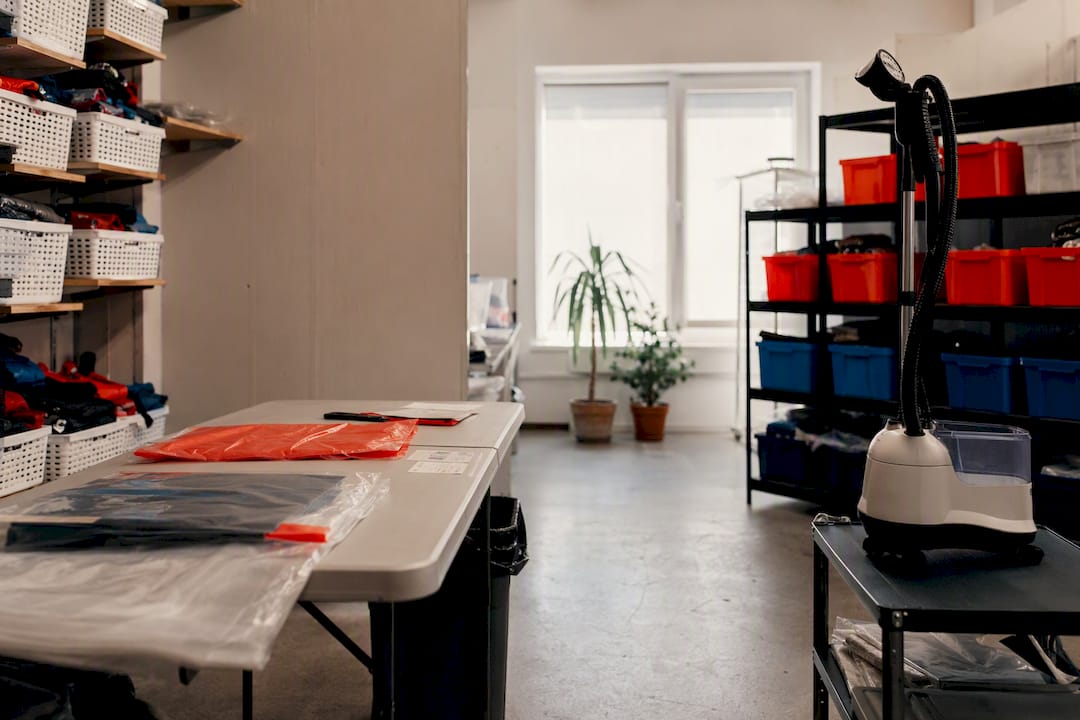
Track three numbers for every batch you sort: cost per sellable piece, how many pieces sold in the first week, and total days-to-sell for the full lot. These three numbers together tell you faster than any spreadsheet whether a supplier or a niche is working.
Storage matters more than people expect. Used clothing absorbs moisture and odors fast, and a damp storage room can turn a Grade A pile into a moldy loss overnight. Store sorted inventory off the floor, in a dry space, and check periodically for pests, especially in humid climates.
Channel-specific habits make a real difference:
- Market stall: Group items by grade and size, put your best Grade A pieces at eye level near the entrance, and rotate stock weekly so regulars see something new.
- WhatsApp or Instagram: Post clear, well-lit photos with size and price in the caption, run short “live” sessions when you unpack a fresh bale, since online-first sellers consistently report stronger margins from lower overhead and wider reach.
- Wholesale bundles: Package Grade C and unsellable-adjacent items into fixed-weight or fixed-count bundles for buyers who want volume over individual pieces.
Pro Tip: Keep a simple notebook or spreadsheet with one row per bale: date, cost, pieces counted, grade split, and total revenue once sold out. After five or six bales, patterns in supplier quality and niche performance become obvious.
Why Supplier Reliability Determines How Far You Can Scale
Every sourcing decision eventually comes down to one question: can you trust the next bale to match the last one? That consistency is what separates a hobby from a repeatable business, and it’s why established wholesalers become more valuable as you scale past single-bale buying.
Msexpspzoo operates across more than 40 countries and runs a 133,000 square foot warehouse, backed by advanced packaging machinery that speeds up turnaround on bulk orders. For a buyer who has outgrown local market runs but isn’t ready for the complexity of container importing, a wholesaler with that kind of footprint offers a middle path: bulk volume without the customs headache of a first-time import.
A dependable wholesale partner should be able to answer every one of these without hesitation: What is the packing list for this specific lot? What grading ratios do you guarantee? Is a sample order available before a bulk buy? What is the turnaround time from order to shipment? What is your claims process if a shipment doesn’t match the agreed grade?
Ask those five questions of any supplier before you commit to a bulk order. A wholesaler confident in its own grading consistency will answer plainly and quickly.
Local market buying still makes sense when you’re testing a new niche or want the lowest possible entry cost. An established exporter makes more sense once you know your niche, your pricing, and your reorder rhythm, and you need volume a single market stall can’t supply.
What I’d Tell a Friend Starting Their First Bale
The biggest mistake I see is over-buying before vetting a single supplier. Someone gets excited, skips the small test order, and commits real money to a bale they’ve never seen from a seller they’ve never worked with. That’s how people end up with a room full of stock they can’t move.
Start absurdly small. Five to ten camera pieces, or one small bale, is enough to learn grading, pricing, and how your local buyers actually respond. Everything else builds from there.
— rodrigues
Ready to Source Your Next Bale?
Everything in this guide works better with a supplier you can actually count on, and that’s the gap Msexpspzoo is built to close. Where local market buying means inspecting bales one at a time and hoping the next shipment matches the last, Msexpspzoo runs advanced packaging machinery and a 133,000 square foot warehouse to keep grading and turnaround consistent across every order, whether you’re testing your first sample or placing a bulk buy.
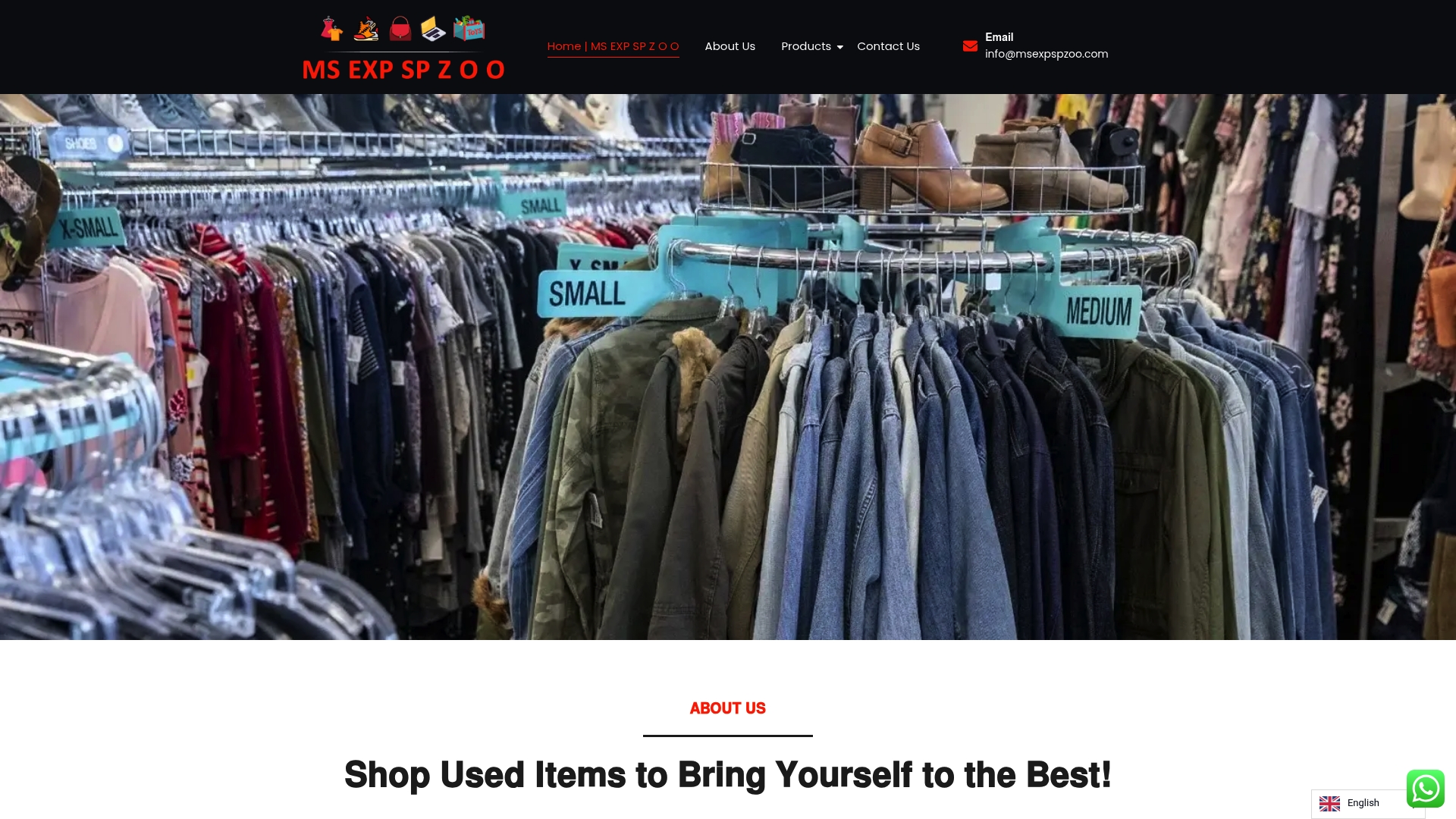
If you’ve sorted a few local bales already and you’re ready to scale past single-bale trips to the market, request a sample lot or a bulk quote through the used clothing wholesale page and see how a graded, consistent shipment compares to what you’ve been sourcing on your own. If your niche leans toward footwear, the used shoes wholesale page works the same way, with sample options before you commit to a full order.
Sources
- How to Start a Thrift Business in Kenya (2026): The Complete Mitumba Business Guide – Everycent
- How to Start a Mitumba Business in Kenya (Step-by-Step Guide) | Swift Pesa
- How to Start a Profitable Mitumba Business in Kenya (2025 Guide) – Elev8 Network