
For wholesale used-clothing bales, a random or stratified random sampling plan with item-level checks and written acceptance criteria can help protect buyers. Pair the plan with ISO 2859-1 style logic and trained human inspection. EuRIC guidance emphasizes human inspection. On receipt or before purchase, sample, document everything, and escalate high-value or disputed lots to an independent inspector.
TL;DR:
- Number every bale and choose sample positions before opening; draw from the front, middle, and back, including upper and lower layers, to prevent selection bias.
- Set lot boundaries, defect classes, acceptance and rejection limits, and remedies in writing; ISO 2859 Part 1 covers counted defects, while ISO 3951 Part 1 covers measurements.
- Treat the operating characteristic curve as an acceptance probability, not an exact defect estimate; sample larger or riskier lots, but cap lot size.
- Photograph defective items and log each bale ID, defect, disposition, and sellability; retain the seal, label, weight receipt, and inspection records to support claims.
- Inspectors should check garments item by item for damage, contamination, and market fit; hire an independent inspector for high value or disputed shipments.
Table of Contents
- Which bale sampling approach should you choose?
- What should you check on every sampled garment?
- How do you document results and protect your claim?
- How big should the sample be, and when do you accept a lot?
- When should you bring in an independent inspector?
- A buyer’s view on what really protects margin
- Want inspected, labeled bales from the start?
- FAQ
- Sources
Which bale sampling approach should you choose?
Three approaches cover most buyer needs. Random sampling gives every bale in the lot an equal chance of selection, for example drawing bale numbers from a shuffled list. Systematic sampling takes every nth position, such as every tenth bale along a container row. Stratified sampling splits the lot first (by bale position, grade label or supplier batch) and samples inside each group, which works well for heterogeneous mixed loads.
Fair selection matters more than most buyers realize. When the seller picks the bales, the result is biased before anyone touches a garment. The Textiles Committee describes inspection as three separate decisions: fair sample selection, whether garments meet written defect rules, and whether the lot is accepted under the contract. Careful garment examination cannot repair a biased selection.
Practical steps for the floor:
- Number every bale in the lot and choose sample numbers before you see the stack.
- Pull bales from the front, middle and back of the container, and from top and bottom layers.
- Mark each sampled bale with tape and record its position.
- Open bales on a clean surface, wearing gloves, and keep opened bales apart to avoid cross-contamination.
- Sample across the whole bale face, not just the top layer.
Pro Tip: Draw your sample numbers before the container doors open, and write them down. It removes any argument about cherry-picking later.
How large should the sample be? Justify the fraction with sampling logic rather than habit: larger or riskier lots deserve more bales, and your contract should say which rule you applied. The sampling-first approach we describe in our guide on verifying original and graded clothing shows one way resellers apply this.
What should you check on every sampled garment?
Use one repeatable checklist so two inspectors reach the same answer. EuRIC’s handling and sorting specifications state that trained professionals should decide reuse versus recycling item by item. Work through these checks in order:
- Stains, on the front, underarms and collars.
- Holes and tears, including small ones hidden in seams.
- Seam failure and loose hems.
- Broken zippers, buttons and other closures.
- Odour, dampness or mould.
- Contamination from oil, paint or other materials.
- Excessive wear, such as pilling, thinning or fading.
- Category or size mismatch against what the bale label promises.
- Functional damage that stops the item doing its job.
Then ask the commercial question: will this piece sell in your market? UNCTAD’s 2024 brief found that quality is market-specific, and appearance, condition, fashion relevance, functionality and perceived durability all shape resale value beyond simple cleanliness. A spotless garment that looks dated in your shop may still be a poor buy. Judge size and color mix at bale level, not item by item.
As you sample, sort each item into a reusable pile or a recycling pile and tag it. Take one photo per defective item and add a short note: bale ID, item number, defect, decision.
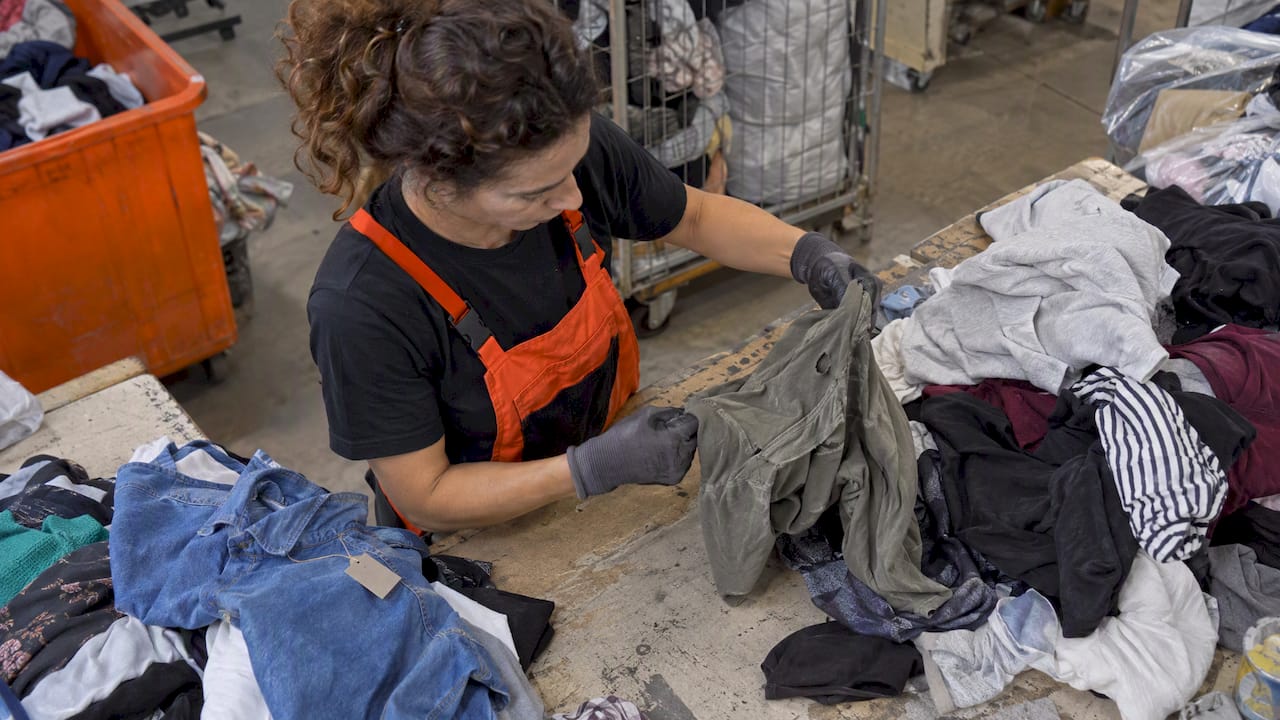
Definitions matter too. A sorting study in Waste Management found that different sorting methods applied to the same sample produced significantly different results, which is why your defect rules must be written down before sampling starts.
How do you document results and protect your claim?
Evidence should stay tied to the physical bale. The protocol behind Kenya’s second-hand clothing import rules shows the pattern, and any buyer can copy it:
- Photograph the sealed exterior and the bale label before opening.
- Record gross weight and package condition, using a calibrated scale and a signed weighing receipt where possible.
- Keep the bale ID with every record.
- Log each inspected item: item ID, defect code, sellable yes or no, and disposition.
- Keep fumigation certificates and any inspection paperwork with the file.
This file is what turns a complaint into a claim. When you can show the seal, the weight and a per-item log, remedies such as credit, replacement or rejection become far easier to enforce. Our bale specification checklist covers what packaging details to demand up front.
How big should the sample be, and when do you accept a lot?
Two standards are the accepted references. ISO 2859-1 covers attribute sampling, where you count defective items, and ISO 3951-1 covers variables sampling, where you measure a characteristic. Sample size comes from the standard’s code letters (or ANSI Z1.4), and the acceptance number is taken from the standard or defined in your contract. We do not reproduce the tables here; cite the standard and inspection level in your contract language instead.
The operating characteristic (OC) curve is the key idea. A sampling plan does not measure your exact defect percentage. It sorts lots, showing the probability that a lot at a given defect rate will be accepted.
What this means in practice:
- Define the lot, the defect classes and the acceptance and rejection numbers in writing.
- Specify what happens after a failed sample: re-inspection, price adjustment or return.
- Larger lots cost proportionally less to inspect per item, but cap lot sizes so one bad section cannot hide in a huge shipment.
- Choose tightened inspection after a failed lot or with a new supplier.
Pro Tip: Never copy AQL tables into a used-clothing contract without defining the lot and defect classes first. A table alone settles nothing.
When should you bring in an independent inspector?
Escalate when the stakes justify it:
- High-value or disputed shipments, where the Textiles Committee recommends independent inspection bodies and a sampling plan written into the purchase contract.
- Regulatory exposure, such as fumigation certificates or import inspection requirements.
- Contract-sensitive orders where a failed lot triggers penalties.
Specify the standard, inspection level, lot definition and remedies in the contract, and ask for a written report with findings and photos. Pre-shipment checks cost more upfront but are cheaper than a rejected container. Our bale contract checklist lists the terms to include.
A buyer’s view on what really protects margin
In our view, three habits protect margin better than any clever statistics: a selection method nobody can accuse of bias, item-level checks by trained people, and records you can hand to a supplier. Automation does not replace the human eye here, because reusability is an item-level judgment, as the EuRIC specifications make clear. Clear contracts do the rest.
— rodrigues
Want inspected, labeled bales from the start?
We pack documented used-clothing bales quickly, using advanced packaging machinery, and ship worldwide. Ask us about our used clothing before you commit to volume.
- Request a documented sample from our used clothing range.
- Ask us about your next order.
- Contact us to discuss your sampling plan before shipment.
FAQ
What is the best way to sample used-clothing bales?
Random or stratified random selection, with item-level checks, is a defensible approach. Choose bale numbers before opening the container, so the seller cannot steer the sample.
Which standard governs sample size for bales?
ISO 2859-1 for counted defects and ISO 3951-1 for measured characteristics, with ANSI Z1.4 as the US equivalent. Take acceptance numbers from the standard or define them in your contract, as sampling-plan guidance explains.
What does an OC curve tell a buyer?
It shows the probability that a lot with a given defect rate will be accepted. It sorts lots rather than giving an exact defect percentage.
When is independent inspection worth the cost?
Use it for high-value, disputed or contract-sensitive shipments. Write the sampling plan into the purchase contract so the inspector’s findings carry weight.