
Sportswear bale grades indicate the general quality of a shipment: Crème and Grade A bales usually have the highest proportion of sellable items, Grade B contains a mix of wearable and less wearable pieces, and Grade C mostly consists of items suited for rags or downcycling. Before you commit to an order, ask the supplier for a documented percentage breakdown by grade, the exact bale weight, and a sampling allowance you can verify on arrival. The sections below walk through how to specify, sample, and classify these shipments correctly.
TL;DR:
- Crème and Grade A bales typically have 80-95% sellable items, suitable for direct resale, while Grade B contains a mix of wearable and unsellable garments.
- Suppliers should provide documented grade percentage bands, exact bale weight, branded percentages, and clear photos for verification before purchase.
- Inspection begins before shipment and continues upon arrival, emphasizing checks for odors, genuine branding, seam strength, and proper labeling.
- Yield estimates suggest Crème offers the highest resale potential, with Grades B and C decreasing to downcycling or recycling options, depending heavily on garment weight and condition.
- Proper classification for export (CN code 6309 versus 6310) impacts customs treatment and environmental considerations, requiring careful documentation and matching paperwork to bale content.
Table of Contents
- Grade-by-grade breakdown for sportswear bales
- Supplier specs, bale types, and labeling conventions buyers must demand
- Inspection and sampling checklist for buyers
- Pricing, yield, and how many sportswear items to expect per bale
- Trade, export classification, and market-fit cautions
- Sportswear-specific quality attributes to check
- How to write a clear purchase spec and contract clause
- What to check in a sportswear bale supplier
- A buyer’s checklist worth repeating
- Sourcing graded sportswear bales through MS EXP SP Z O O
- FAQ
- Sources
Grade-by-grade breakdown for sportswear bales
Crème, sometimes called Cream, is the top tier: items show little to no wear, original tags or branding are often intact, and moisture-wicking jerseys or performance leggings in this grade usually resell at near-retail prices in secondhand markets. Grade A sits just below that: garments are clean and structurally sound but may show minor pilling or faded prints, still suitable for direct resale.
Grade B introduces more variability. Expect a mix of wearable tracksuits and hoodies alongside pieces with stretched cuffs, minor stains, or loose stitching along seams, which means buyers often resell part of the lot and send the rest downstream. Grade C is the bottom tier: torn fabric, broken zippers, or heavy staining that make reuse unlikely, so these pieces typically move into wiping rag or fiber recycling channels rather than retail racks.
Fabric composition shifts the picture at every tier. Polyester mesh and interlock knits common in jerseys tend to hold shape and color longer than cotton-blend tees, which affects how a garment grades even within the same lot. When a supplier lists a bale as “Grade A with up to 15% Grade B,” that tolerance band is normal, but it should be written into the invoice, not left as a verbal assurance.
- Crème/Grade A: minimal wear, intact branding, suited to direct resale.
- Grade B: mixed condition, some pieces resalable, others fit for secondary markets.
- Grade C: damaged or heavily worn, generally routed to recycling or wiping rag production.
Supplier specs, bale types, and labeling conventions buyers must demand
Sportswear bales commonly ship at 100 lb (45 kg) for test orders, with 500 lb bales standard for larger wholesale runs. Weight affects both freight cost and handling, since heavier bales require pallet or container space that changes per-unit shipping economics.
Before confirming an order, require these items in writing:
- Grade mix percentage, stated as a specific band rather than a single word (for example, “70% Grade A, 30% Grade B”).
- Branded percentage, since name-brand sportswear commands different resale value than unbranded stock.
- Exact bale weight and count, so you can calculate cost per pound against expected yield.
- Target market designation, since grading conventions shift by destination region.
- Photos from the current lot and a stated sample policy for pre-shipment verification.
Push back on vague disclaimers that avoid stating a percentage entirely.
Inspection and sampling checklist for buyers
A reliable inspection starts before the bale leaves the warehouse and continues on arrival. Check for odor, since mildew or smoke smell often signals storage problems that won’t surface in photos. Confirm brand labels are genuine rather than stripped or swapped, inspect seams for loose or broken stitching, and verify that the stated fiber content matches the garment feel.
- Open a cross-section of the bale, not just the top layer, since packing often hides lower-quality pieces underneath.
- Check seam strength on at least a handful of jerseys or leggings by gently pulling along stress points.
- Confirm zipper and drawstring function on tracksuits and hoodies.
- Note any strong chemical or mildew odor as an immediate red flag.
Sample size matters more than most buyers realize. ISO 2859-1:2026 defines acceptance sampling plans by attributes using AQL-indexed schemes, which gives buyers a useful framework for deciding how many items to pull from a 500 lb bale before accepting or rejecting it. You don’t need a certified inspector to apply the logic: agreeing on a sample size and an acceptable defect rate with your supplier before shipment turns a subjective grade label into an objective check.
As a rough guide, Crème and Grade A lots generally have higher sellable rates, while Grade B lots have moderate sellable rates, and Grade C lots have the lowest proportion of sellable items, though specific percentage figures vary depending on the sorting quality.
Pro Tip: Photograph your sample pull before and after sorting so you have a documented reference if a dispute arises later.
Pricing, yield, and how many sportswear items to expect per bale

Price tracks grade, branded percentage, fiber mix, and destination market all at once, so two bales of the same weight can carry very different price tags depending on what’s inside. A bale heavy on name-brand performance wear will cost more per pound than one dominated by generic cotton tees, even at the same grade.
Yield estimates help you plan margin before you buy:
- Crème: roughly 80-95% sellable, suited to direct retail resale.
- Grade A: roughly 60-85% sellable, with the remainder often fit for secondary markets.
- Grade B: roughly 30-60% sellable, with the rest typically downcycled.
- Grade C: generally under 30% sellable, mostly destined for rag or fiber recycling.
These bands are estimates, not guarantees, since actual yield depends on how carefully the original sorter graded the lot. Heavier garments like tracksuits reduce items-per-bale counts compared to lightweight tees, so weight alone won’t tell you how many pieces you’re actually buying.
Trade, export classification, and market-fit cautions
Used sportswear crossing EU borders falls under one of two customs codes, and the difference matters for both paperwork and outcome. CN code 6309 covers worn textiles and clothing fit for reuse, while CN code 6310 applies to sorted and unsorted rags and textile scraps destined for recycling rather than wear. Misclassifying a shipment can trigger customs delays or have it treated as waste rather than tradeable goods.
The EEA’s analysis of used textile exports notes that classification does not always reflect the true quality of what’s inside the bale, which creates real uncertainty about whether exported textiles get reused or downcycled once they land. Quality-tier distinctions carry environmental weight too, since fiber mix and destination market shift depending on whether a lot is closer to Crème or C-grade.
- Confirm which CN code your supplier is declaring and why.
- Request documentation that ties the declared grade to the customs classification.
- Treat any mismatch between paperwork and physical inspection as a reason to pause the shipment.
Sportswear-specific quality attributes to check
Durability in sportswear comes down to seam strength, stitch density, and how well performance finishes hold up after repeated washing. A study on polyester knit fabrics found that pin-dot mesh and jacquard retained seam integrity better than interlock after repeated laundering cycles, which means fabric type alone can predict remaining useful life.
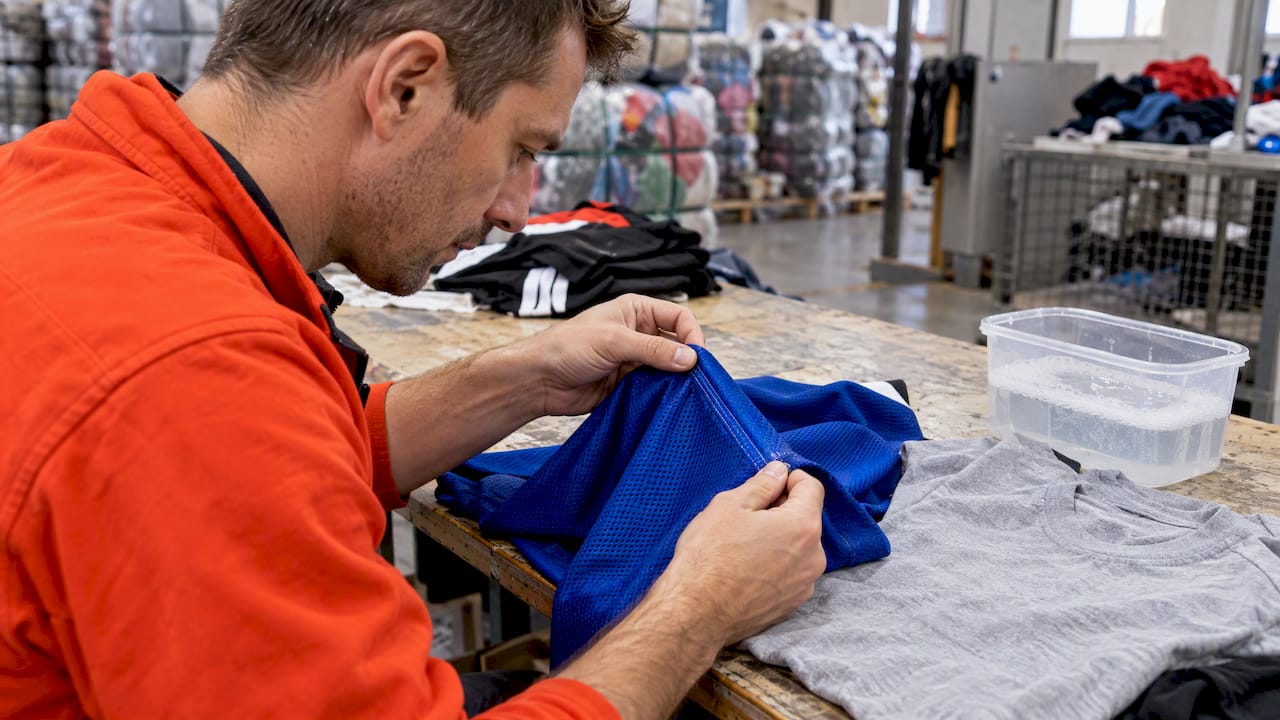
Cotton-blend tees tend to lose shape faster than polyester mesh jerseys, which is why lower-grade lots skew toward cotton pieces. For large performance-oriented lots, a small wear trial on a sample batch can catch fabric weaknesses that visual inspection alone misses.
How to write a clear purchase spec and contract clause
A tight purchase order protects both sides of the deal. Include these items before you sign:
- Exact grade percentage bands, not single-word labels.
- Bale weight, branded percentage target, and photo documentation from the current lot.
- A defined sample policy with an acceptance window after arrival.
- Return or allowance terms if the sampled defect rate exceeds the agreed threshold.
- Shipping terms, including who bears cost if a lot is rejected.
Avoid supplier terms and conditions that waive all claims after shipment leaves the warehouse.
Pro Tip: Keep a running file of every supplier’s declared grade versus your actual sampled yield, it becomes your best negotiating tool on the next order.
What to check in a sportswear bale supplier
Operational signals tell you more than a sales pitch. MS EXP SP Z O O ships to more than 40 countries from a 133,000 square foot warehouse in Poland, using advanced packaging machinery that supports faster bale turnaround. Ask any supplier for warehouse photos, a description of their packing process, references from existing buyers, and a clear sample tracking policy before committing to a larger order.
A buyer’s checklist worth repeating
The shortlist that actually protects your margin: request a documented grade mix, insist on a sample before full payment, start with a small pilot order, and confirm the export classification matches what’s in the bale. Favor suppliers who put specifics in writing over the lowest quoted price, since an undocumented bargain often costs more once you sort it.
— rodrigues
Sourcing graded sportswear bales through MS EXP SP Z O O
If you’ve read this far, you already know that grade labels only mean something when they come with documentation. MS EXP SP Z O O packages used clothing bales with advanced machinery built for faster turnaround, and its warehouse capacity supports consistent supply for buyers placing repeat orders.
For buyers sourcing mixed-category lots, the company also supplies used shoes and recycled industrial wiping rags, useful if you’re planning to route lower-grade fractions into a secondary channel rather than letting them sit unsold. Retailers researching resale readiness for sports apparel specifically may also find value in retailer best-practice guidance on what buyers expect at the point of sale.
If you’re ready to put the specification checklist from this guide into practice, request a quote on the used clothing category page and ask for the grade mix documentation outlined above before your first shipment ships.
FAQ
What is grade B apparel?
Grade B apparel refers to secondhand clothing that is wearable but shows more wear than Grade A, such as minor stains, loose stitching, or stretched fabric. Buyers typically resell part of a Grade B lot and route the remainder to secondary or recycling markets.
What is grade C in clothing?
Grade C clothing shows significant damage, including tears, broken zippers, or heavy staining, which makes it unsuitable for direct resale. These pieces are generally sold into rag production or fiber recycling rather than apparel markets.
How much do clothing bales cost?
Bale pricing varies by grade, branded percentage, fiber mix, and bale weight, so there is no single market price. Buyers should request a quote based on their specific grade and weight requirements rather than relying on a general figure.
How many clothes are in a bale?
The number of garments in a bale depends on weight and garment type, since heavier items like tracksuits reduce item count compared to lightweight tees. Buyers should confirm the bale weight and expected piece count directly with the supplier rather than assuming a fixed figure.
Sources
- EU exports of used textiles in Europe’s circular economy | EEA
- ISO 2859-1:2026 — Sampling procedures for inspection by attributes
- Seam durability study — polyester knit fabrics (2026)