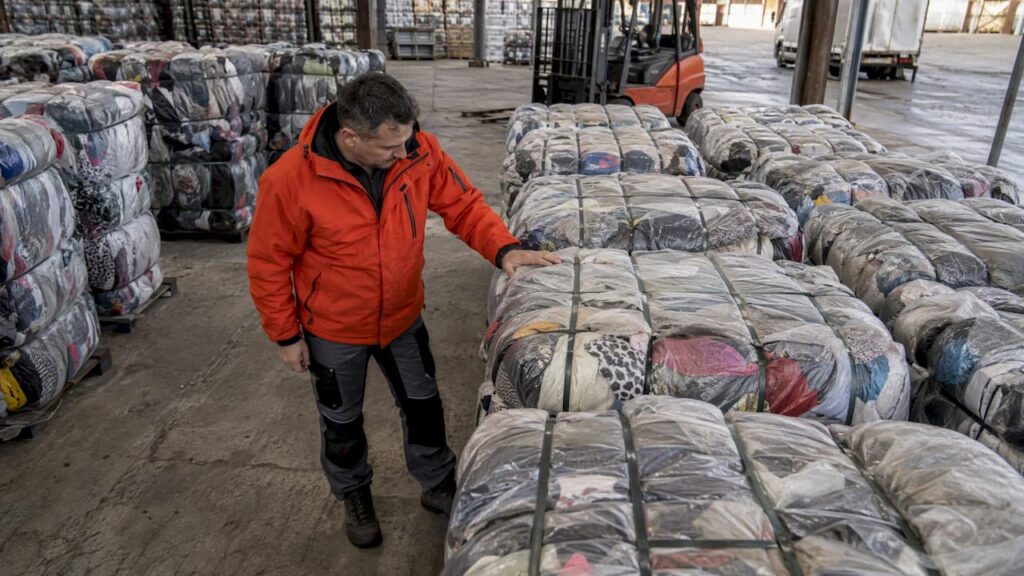
Bale Sampling Methods: 3 Ways Used Clothing Buyers Avoid Seller Bias
Compare random, systematic, and stratified bale sampling for used clothing. Apply ISO logic, inspect garments, and document acceptance rules for resale lots.


Compare random, systematic, and stratified bale sampling for used clothing. Apply ISO logic, inspect garments, and document acceptance rules for resale lots.
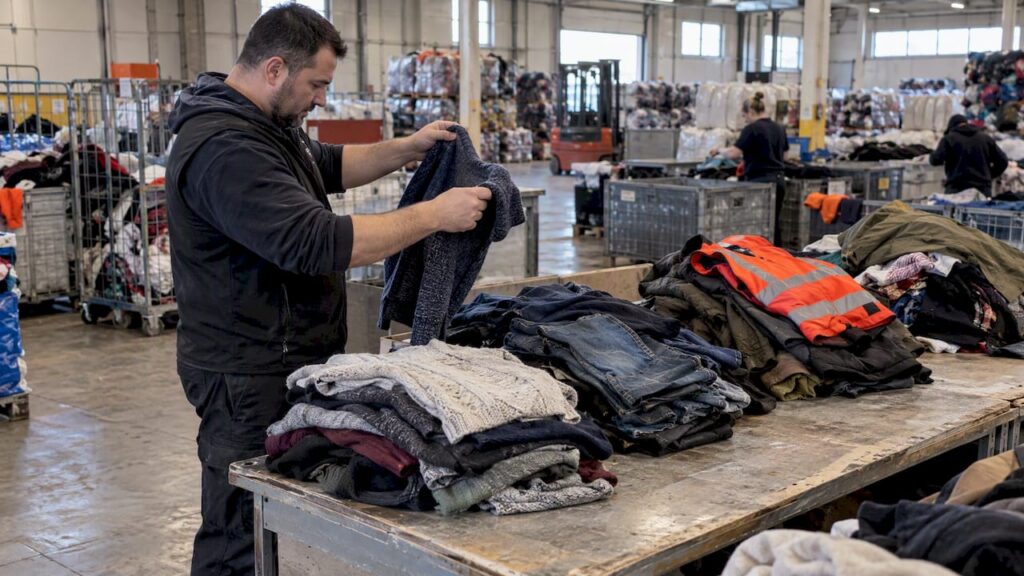
Learn how mixed bale grading affects resale value, compare premium, A, B, and C tiers, and verify samples, packing, and supplier claims before paying.
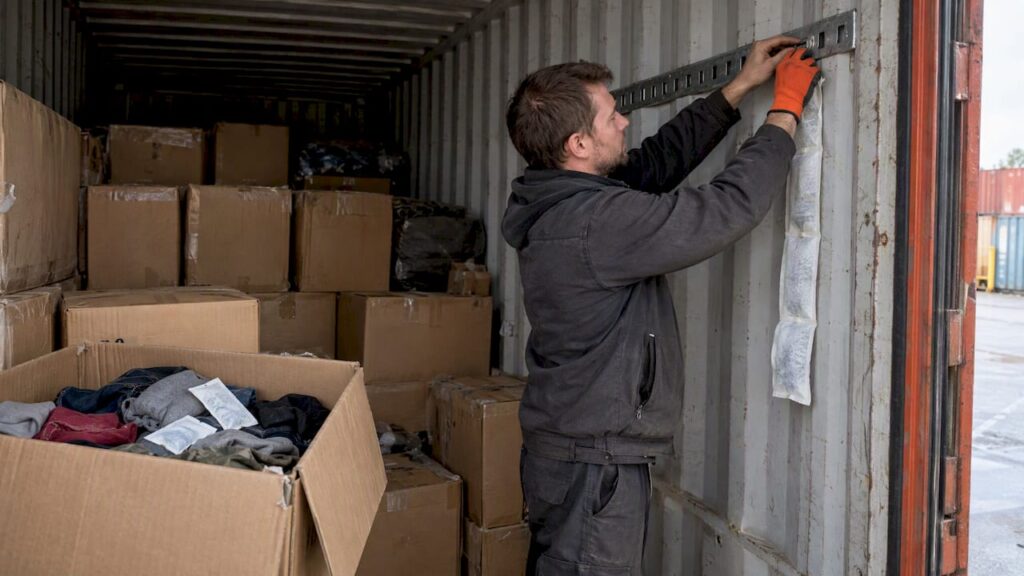
For clothing bales, pair 10–50 g carton sachets with container strips, keep calcium chloride away from garments, and monitor moisture on long voyages.
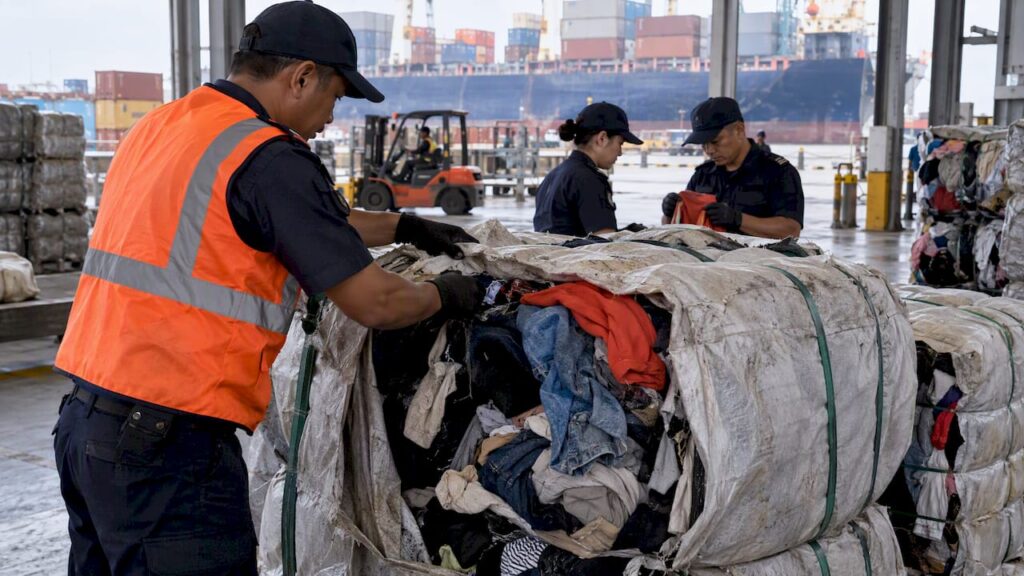
Find where countries ban or restrict used clothing imports, why policies differ, how border checks work, and what buyers should verify before shipping.
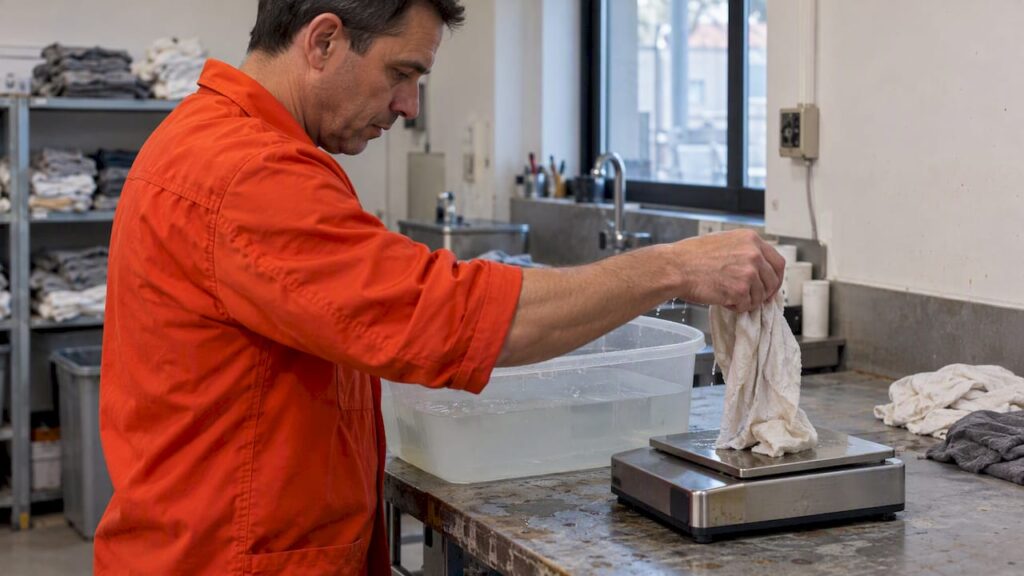
Compare Grade A and B wiping rags, check DLA specs and ISO 9073 Part 6 absorbency tests, and confirm packaging and samples before placing a full order.
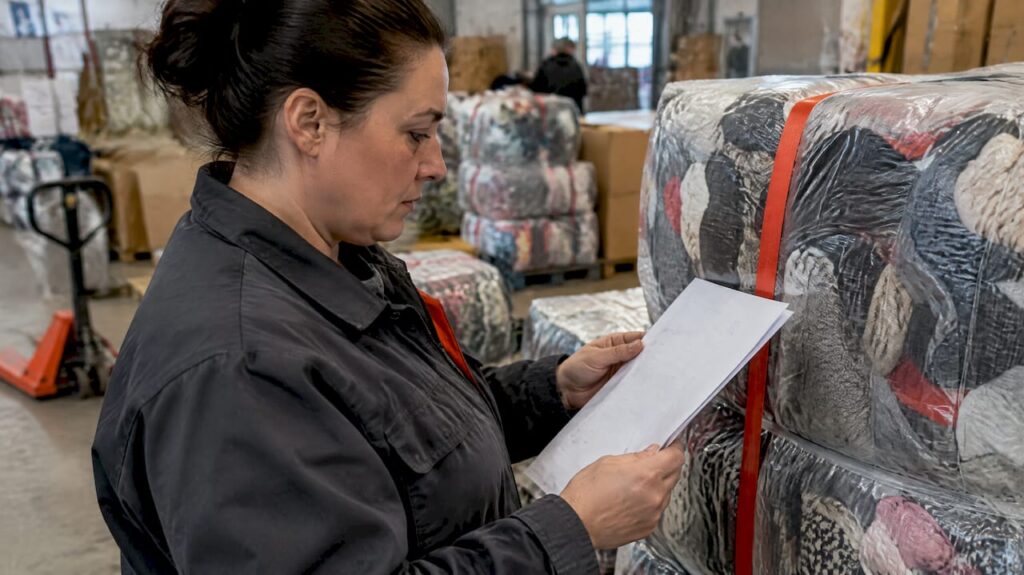
Learn when clothing exports need a fumigation certificate, what details authorities require, and how to check destination rules before treatment.
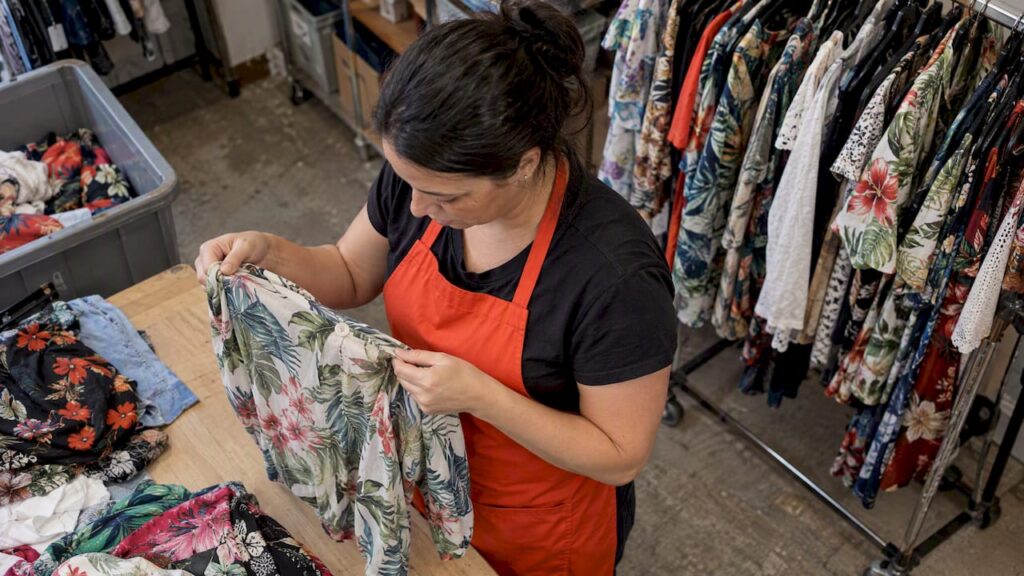
Compare bale grades, request a verified sample, and estimate landed costs before ordering tropical mix clothing. Check supplier terms and customs.
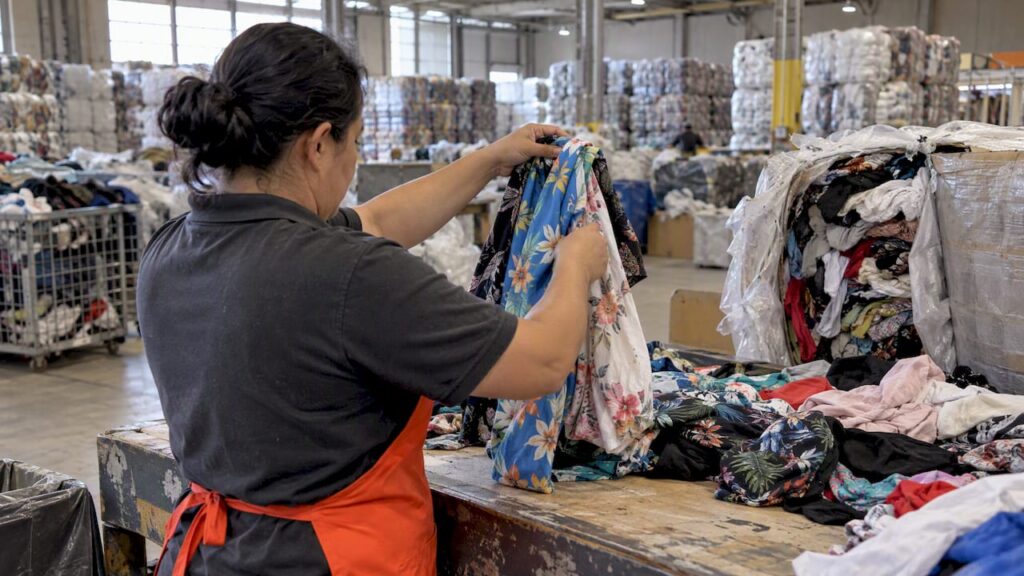
Assess tropical mix grading with clear grade criteria, 5–10% sampling, 45 kg bale checks, and supplier records to verify before accepting wholesale stock.
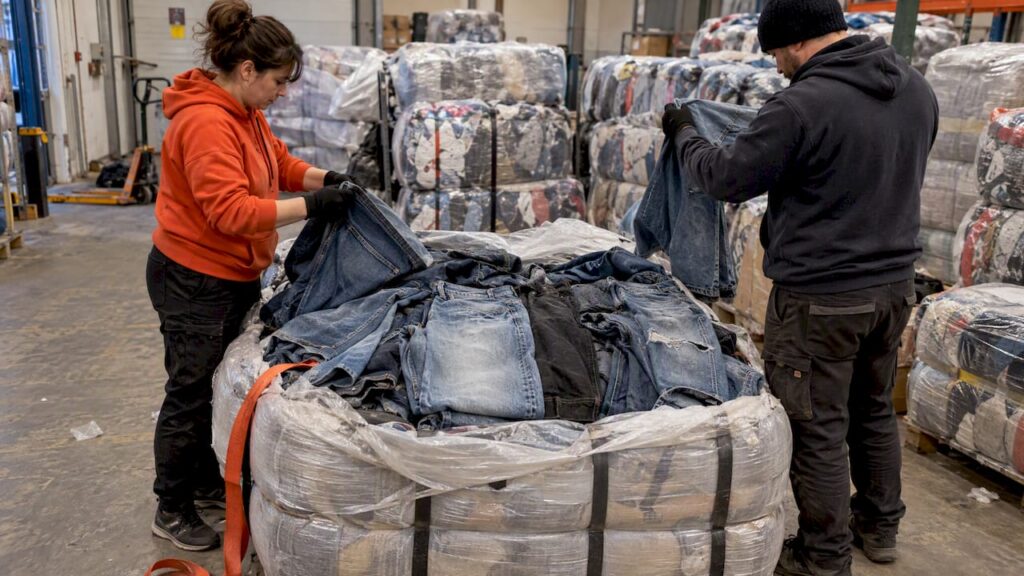
Denim bale grades vary by supplier. Verify six specs, net weight, piece count, packing, and defect terms before paying to protect resale margins.
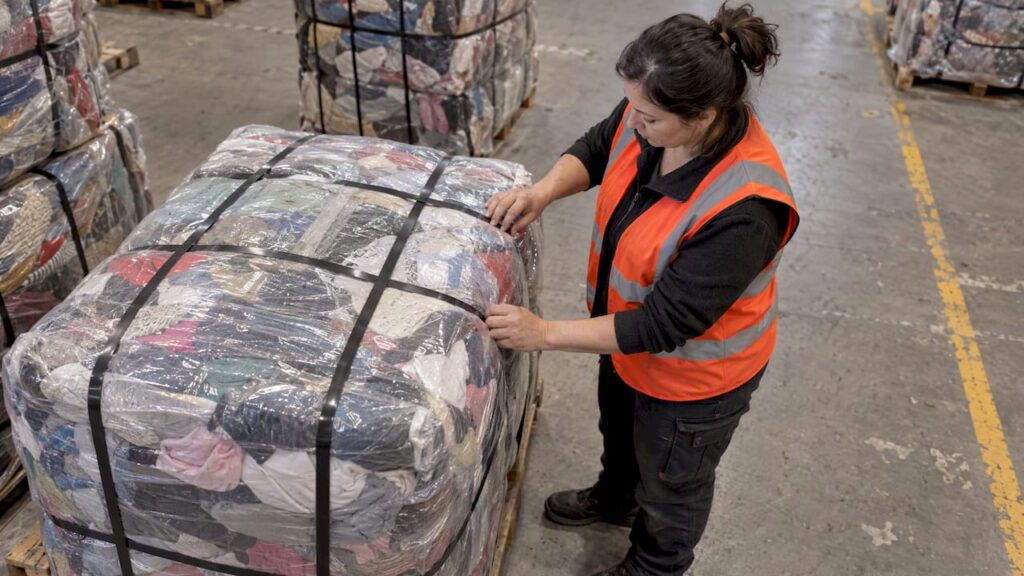
Buyer checklist for vacuum-packed used clothing: bale specs, PVoC and fumigation, contract clauses, and arrival checks to prevent port holds.