
For heavy grease removal and shop floor cleanup, choose Grade B wiping rags. For finishing, polishing and less contaminated tasks, choose Grade A. Buyers should always request weight and packing details plus a sample check before committing to a full order. We supply recycled industrial wiping rags suited to both grades.
TL;DR:
- Grade A weighs 2.0 to 6.0 ounces per square yard; Grade B spans 2.0 to 12.0 and permits more stains, color variation, and fabric defects.
- For polishing, specify white Grade A cotton knit and request a packed sample; all cotton absorbs well, while denim can scratch delicate finishes.
- Most shops can assess absorbency with a sample soak; ISO 9073-6 results are most useful for large recurring orders or documented quality programs.
- Write grade, color, packing format, bale weight, sample policy, and acceptance criteria into the purchase order to define how shipments will be judged.
Table of Contents
- What “Grade A” and “Grade B” mean and why they matter
- Materials and rag types: matching fiber to the job
- Absorbency, lab tests, and quick supplier checks (ISO 9073-6 explained)
- Sizes, bale composition, and packaging: what to specify
- Ordering checklist and contract language buyers should use
- Supplier capability: what consistent packaging and fast turnaround mean for buyers
- Typical supply chain timelines from order to delivery
- What buyers get wrong about rag grades
- Order samples and get a quote on recycled industrial wiping rags
- FAQ
- Sources
What “Grade A” and “Grade B” mean and why they matter
Grade definitions for wiping rags come from procurement specifications used across industrial and institutional buying, most commonly referenced in the DLA procurement specification DDD-R-30D, which sets out weight bands, allowable defects and color rules that still shape how suppliers sort and sell rags today.
Grade A rags typically fall in a lighter weight band of around 2.0 to 6.0 ounces per square yard and are expected to be cleaner, more uniform and largely free of heavy staining. Grade B rags run across a wider weight range of around 2.0 to 12.0 ounces per square yard, and tolerate more variation in color, fabric type and minor defects. These bands come directly from the DLA/DDD-R-30D specification, which also addresses color sorting, since white or light rags are generally separated out for tasks where lint or dye transfer would ruin a finish.
Allowable defects matter just as much as weight. A rag with a seam, a pocket remnant or a snap and button still attached can snag on machinery, scratch a polished surface or interfere with absorbency in ways a flat, clean cut of fabric will not.
- Stains and discoloration: acceptable in Grade B, generally excluded from Grade A.
- Seams and hems: tolerated in both grades but should be trimmed for finishing work.
- Hardware (snaps, buttons, zippers): a defect buyers should explicitly exclude in their purchase order.
- Pockets and layered fabric: reduce absorbency and increase bulk, more common in Grade B lots.
These distinctions translate directly into operational outcomes. Grade A rags tend to deliver better absorbency and lower linting, which is why they show up in paint booths, electronics assembly and polishing stations. Grade B rags trade some of that refinement for durability and volume, making them the practical choice for wiping down machinery, mopping up oil and handling general shop grime where appearance does not matter.
Materials and rag types: matching fiber to the job
Grade tells you how clean and uniform a rag is. Material tells you how it behaves once it touches a surface, and the two decisions work together.
- All-cotton rags: highest absorbency and softness, preferred for finishing, polishing and food-adjacent cleaning.
- Cotton-synthetic blends: more durable and less prone to tearing, useful for repeated heavy wiping.
- Denim: thick and abrasion-resistant, good for scrubbing grease off metal but too coarse for delicate finishes.
- Flannel: soft and lint-prone in a good way for polishing, since the nap helps lift fine dust and residue.
- Fleece: absorbent and lightweight, often used where lower bulk per rag is preferred.
- Knit T-shirt rags: stretchy, lint-free compared to woven cotton, a common choice for glass and chrome.
Reclaimed, recycled knit rags come from sorted used garments and tend to offer strong value because the fabric has already been washed and broken in, which improves initial absorbency. Unused mill remnants offer more uniformity in size and color but usually cost more per pound. For buyers running high volume through a shop floor, reclaimed knits often make more sense, while buyers doing precision finishing may prefer the consistency of mill remnants.
Color carries real operational weight. White or light colored rags are the standard choice for paint prep, clear coat work and any polishing task where dye transfer from a colored rag would ruin the surface.

Pro Tip: When ordering for finishing work, specify white Grade A cotton knit and ask for a packed sample before placing a full bale order.
Absorbency, lab tests, and quick supplier checks (ISO 9073-6 explained)
Weight based grading tells you a lot, but it does not measure how a rag actually performs when it meets a liquid. That is where ISO 9073-6 comes in. The standard defines three measurable properties relevant to wiping performance.
- Absorbency time: how quickly a rag pulls liquid off a surface, important for fast-paced wiping tasks.
- Liquid absorptive capacity (LAC): how much liquid a rag holds relative to its weight, a key factor for heavy spill cleanup.
- Wicking rate: how liquid spreads through the fabric once contact is made, which affects even absorption across a rag’s surface.
The EN ISO 9073-6:2025 explanation clarifies that these methods were built primarily for nonwoven fabrics, so buyers of reclaimed woven cotton rags should treat the metrics as a useful reference point rather than a direct lab result for their specific lot.
Most buyers do not need formal lab testing. Weight-based grading plus a visual and touch inspection covers the majority of shop floor and general cleaning use cases. Lab-tested absorbency data becomes worth requesting when a buyer is standardizing a large recurring order across multiple facilities or needs documented performance for a quality program.
A simple in-house check works for most situations: soak a sample rag for 10 to 30 seconds, then measure the wrung weight against the dry weight, or time how long it takes to visibly stop dripping. Industrial wiping rag buyers can request a photographed sample soak test from a supplier before approving a full order, which gives a practical read on absorbency without needing a lab report.
Sizes, bale composition, and packaging: what to specify
Rag size affects how workers handle them and how much waste ends up in the bin. Small rags are easier to fold into tight corners but wear out faster during heavy wiping, while larger rags cover more surface per pass and last longer under repeated use.
- Small rags (roughly hand towel size): good for detail work, faster to go through in high volume.
- Medium rags: the most common all-purpose size for shop floors and general maintenance.
- Large rags: better for mopping up bigger spills, used less often due to higher per-rag material cost.
Packaging choice shapes freight cost and warehouse labor more than most buyers expect. Compressed bales maximize shipping density and reduce cost per pound, but they require space and effort to break down and sort on arrival. Boxed rags cost more per pound to ship but are easier to unload, store and distribute directly to work stations without extra handling.
- Compressed bales: lowest freight cost per pound, best for large-volume buyers with warehouse space to unpack.
- Boxes: higher per-pound cost, better for smaller buyers or multi-site distribution.
- Bale weight: standardizing on a fixed bale weight simplifies inventory counts and reorder timing.
Buyers running mixed-use facilities often benefit from specifying a blend by weight, such as a defined percentage of heavy-duty Grade B rags for maintenance crews and a smaller percentage of Grade A for finishing stations. This keeps usage predictable and avoids running out of the right rag at the wrong time.
Ordering checklist and contract language buyers should use
A purchase order for industrial wiping rags should read like a specification, not a casual request. The DLA/DDD-R-30D specification lays out the core fields buyers should include, and translating them into a purchase order checklist avoids disputes once a shipment arrives.
- Specification reference: name the grade standard you are buying against.
- Grade: state Grade A or Grade B explicitly, never just “wiping rags.”
- Color: white, light mixed or dark mixed, depending on task.
- Packing format: compressed bale or box, with exact bale weight.
- Sample policy: whether a pre-shipment sample is required and how it will be evaluated.
- Acceptance criteria and remedy: what happens if a received lot does not match the agreed grade.
For buyers who need documented absorbency data, the purchase order should also request ISO 9073-6 test results or a supplier-run absorbency check on a representative sample, rather than assuming the supplier will provide this unprompted. A minimum sampling plan, such as inspecting a fixed percentage of bales on arrival and documenting the result with photos, gives both sides a clear record for lot acceptance.
Supplier capability: what consistent packaging and fast turnaround mean for buyers
Grade consistency depends as much on a supplier’s sorting and packaging process as on the specification itself. We use advanced packaging machinery that speeds up bale turnaround on recycled industrial wiping rags and other reclaimed goods. Our warehouse supports a broad supply range, which helps buyers avoid the stop-start ordering that comes with thin inventory.
These capabilities matter because inconsistent packaging and slow turnaround are two of the most common reasons buyers end up with mismatched grades inside the same bale. Before placing a large order, buyers should ask any supplier for:
- Packing photos showing how a current bale is formed and sorted.
- A sample pallet or small test shipment ahead of a full container order.
- Written confirmation of grade, color sorting and bale weight on the order itself.
Typical supply chain timelines from order to delivery
Lead times for industrial wiping rags depend on order size, packing format and destination, but a few patterns hold across most sourcing relationships. A standard bale order typically moves through sorting, grading and compression before it ever reaches a freight carrier, and buyers who request a sample first should expect that step to add a few days to the front end of the timeline.
International shipments add the most variability. Ocean freight dominates bulk bale orders because of cost per pound, which means transit time is often the longest single piece of the timeline, followed by customs clearance at the destination port. Buyers importing wiping rags in bulk should also account for documentation around the applicable HS code, since port holds related to the HS code for wiping rags can add unplanned delays if paperwork is incomplete.
Domestic or regional orders move faster, particularly when a supplier already holds sorted and graded inventory rather than processing a fresh batch on request. Buyers planning a recurring order cycle benefit from locking in a standing specification, since repeat orders against an agreed grade and packing format tend to move through sorting and shipping faster than first-time orders that require back-and-forth confirmation on specs.
What buyers get wrong about rag grades
The biggest mistake in this market is treating “Grade A” and “Grade B” as a quality ranking rather than a fit-for-purpose classification. Grade B is not an inferior product, it is the correct product for grease removal, machinery wipe-down and general shop cleanup, and paying for Grade A in that context wastes money on absorbency and softness the task does not need.
The second mistake is leaning on lab-grade absorbency testing when a simple soak test would answer the question just as well. ISO 9073-6 methods are valuable for standardizing large recurring orders or documenting a quality program, but most buyers are better served by a clear weight and color specification plus a quick hands-on sample check.
What matters most is writing the specification down. A verbal request for “clean rags” gives a supplier nothing to be held to. A written order naming grade, color, packing and a sample policy gives both sides something to measure against, which is the single highest-leverage habit a procurement buyer can adopt here.
— rodrigues
Order samples and get a quote on recycled industrial wiping rags
Buyers who want to move from specification to purchase order can start with our recycled industrial wiping rags product page, where you can request a sample ahead of a full bale order.
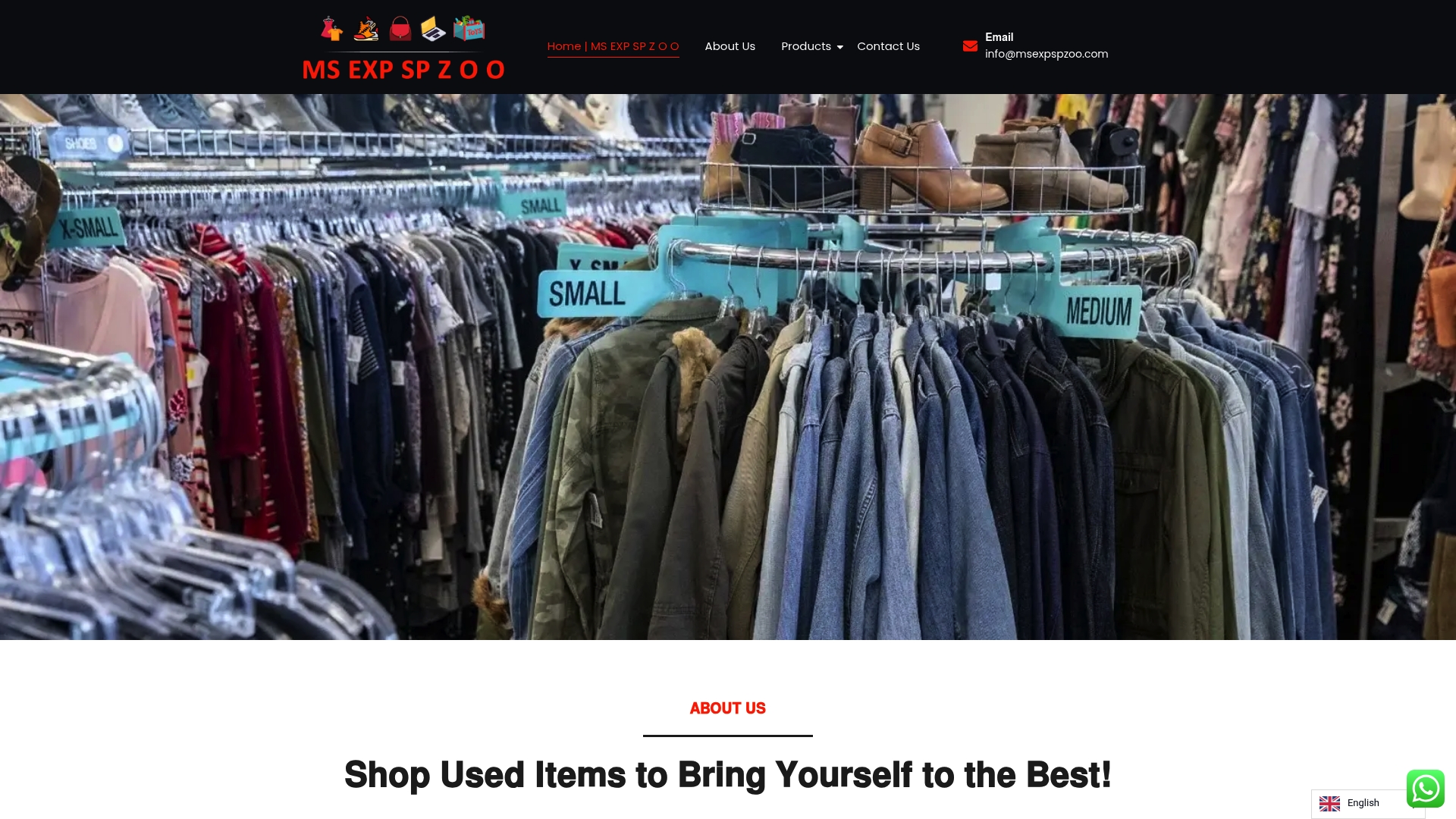
- Request a sample: ask for a packed sample reflecting your target grade and color before committing to volume.
- Specify grade and packing: tell us whether you need Grade A, Grade B, compressed bale or boxed format, and your preferred bale weight.
- Ask for a sample test or certificate: request a soak test result or packing photos so you can document lot acceptance before the full shipment ships.
FAQ
What is the difference between Grade A and Grade B wiping rags?
Grade A rags are lighter, cleaner and more uniform in color, typically used for finishing and polishing. Grade B rags cover a wider weight range and tolerate more staining and fabric variation, making them suited to heavy-duty grease and shop cleanup, per the DLA/DDD-R-30D specification.
Which rag material absorbs liquid best?
All-cotton rags generally offer the highest absorbency and softness among common wiping rag materials, which is why they are preferred for polishing and finishing tasks. Blends and denim trade some absorbency for added durability under heavy repeated use.
Do I need ISO 9073-6 lab testing to buy wiping rags?
Most buyers do not need formal lab testing and can rely on weight-based grading plus a hands-on sample check. ISO 9073-6 testing becomes useful when standardizing a large recurring order or documenting a formal quality program.
What should I include on a purchase order for industrial wiping rags?
A purchase order should name the specification reference, grade, color, packing format, bale weight, sample policy and acceptance criteria. Writing these fields down, rather than requesting “clean rags” generically, gives both buyer and supplier a clear standard to measure a shipment against.
Can I buy recycled wiping rags instead of new mill remnants?
Yes, reclaimed recycled knit rags are sorted from used garments and offer strong absorbency value since the fabric is already broken in. We supply recycled industrial wiping rags suited to both Grade A and Grade B use cases, with sample checks available before a full order.
Sources
- DLA procurement specification (DDD-R-30D) — grade definitions for wiping rags
- ISO 9073-6:2025 – Nonwovens — Test methods — Part 6: Absorption